

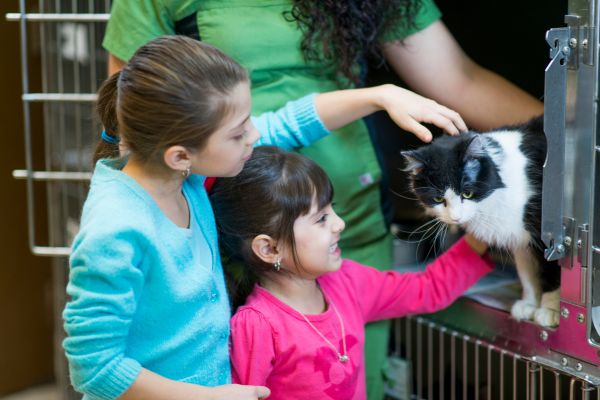
Adopting senior cats is one of those choices that quietly changes a life. Not in a dramatic, movie-scene way, but in the soft, daily moments that build over time. A warm body curled beside you on the couch. A steady presence in a quiet home. A bond that feels unhurried and deeply appreciative.
Yet senior cats are often overlooked in shelters, passed over for kittens with bright eyes and boundless energy. The irony is that older cats frequently make the most rewarding companions. They know who they are. They know what they like. And when given a second chance, they often repay it with surprising depth and devotion.
This article explores what adopting senior cats truly involves, from emotional considerations to practical realities, with the goal of helping you decide whether an older feline might be the right addition to your life.
Why Senior Cats Deserve a Second Look
Walk through any animal shelter and you’ll notice a pattern. Kittens come and go quickly. Senior cats wait. Sometimes for months. Sometimes for years. Age works against them, not because they are difficult, but because of assumptions.
Many people worry that an older cat will be sick, withdrawn, or unable to bond. In reality, senior cats are often calmer, more predictable, and deeply affectionate. Their personalities are already formed, which means fewer surprises. What you see is usually what you get.
There’s also something quietly powerful about adopting a cat who has already lived a full chapter of life. Some have lost owners. Others were surrendered due to circumstances beyond their control. Offering them a safe, loving home isn’t just an act of kindness; it’s a mutual exchange. You give them security. They give you trust.
Understanding What “Senior” Really Means
The term “senior cat” can sound heavier than it is. Most shelters consider cats senior at around seven years old. That may feel old in human terms, but cats can live well into their teens and even early twenties.
A seven- or eight-year-old cat is often still active, curious, and playful, just without the chaotic energy of kittenhood. Even cats in their early teens can enjoy many comfortable, happy years with proper care.
Adopting senior cats is less about managing decline and more about meeting a cat where they are in life. It’s about companionship rather than constant supervision, shared routines instead of nonstop stimulation.
The Emotional Rewards of Adopting Senior Cats
There’s a particular kind of gratitude that seems to come from older cats. It’s not loud or demanding. It shows up in small ways. A slow blink across the room. A gentle head bump when you least expect it. A cat who chooses to sit beside you rather than anywhere else.
Senior cats often settle into new homes with a sense of relief. They’re past the stage of testing boundaries or climbing curtains. They appreciate warmth, consistency, and kindness. For many adopters, this creates an immediate sense of connection.
People who adopt senior cats frequently say the bond forms faster than they expected. Perhaps it’s because both sides understand the value of time. Whatever the reason, the emotional payoff can be profound.
Health Considerations Without the Fear Factor
Health is one of the most common concerns when it comes to adopting senior cats. While it’s true that older cats may need more veterinary attention, this doesn’t automatically mean constant problems or overwhelming costs.
Many senior cats are in excellent health when adopted, especially those who have lived indoors. Others may have manageable conditions like arthritis, dental issues, or mild kidney changes. These often require monitoring rather than intensive treatment.
The key is transparency. Reputable shelters and rescues typically provide medical histories and recent veterinary evaluations. This allows you to make informed decisions rather than guessing.
It’s also worth noting that kittens are not risk-free. Young cats can develop health issues too, and their care can be unpredictable. Senior cats, by contrast, often come with known needs, which can actually make planning easier.
Creating a Comfortable Home for an Older Cat
Welcoming a senior cat into your home doesn’t require a complete lifestyle overhaul. It does, however, benefit from thoughtful adjustments.
Older cats appreciate easy access to their essentials. Litter boxes with lower sides, food and water placed away from stairs, and cozy resting spots can make a big difference. Soft bedding in warm, quiet areas often becomes a favorite.
Play is still important, but it may look different. Short sessions with wand toys or gentle interactive games usually suit senior cats well. The goal isn’t to exhaust them, but to keep them mentally and physically engaged.
Routine matters too. Senior cats tend to thrive on predictability. Regular feeding times, consistent environments, and calm interactions help them feel secure, especially during the transition period after adoption.
Adjusting Expectations and Letting the Relationship Unfold
Adopting senior cats works best when expectations are realistic and flexible. An older cat may not immediately behave like a lap cat, even if that’s your hope. Some need time to decompress, especially if they’ve experienced loss or instability.
Patience is essential. Trust builds slowly, and that’s okay. Allow the cat to set the pace for interaction. Respect their boundaries. Over time, many senior cats open up in ways that feel deeply earned.
It’s also important to let go of the idea that adoption must follow a specific script. Some days will be quiet. Others surprisingly playful. The beauty lies in discovering who your cat is now, not who they were in the past.
Common Myths About Adopting Senior Cats
One persistent myth is that senior cats are “set in their ways” and won’t adapt to new homes. In truth, cats are remarkably adaptable when given safety and patience. Older cats may take a little longer to adjust, but they often settle in with surprising ease.
Another misconception is that adopting a senior cat means facing imminent loss. While it’s true that older cats have fewer years ahead than kittens, that doesn’t make the time any less meaningful. Many adopters say those years are among the most emotionally rich experiences they’ve had with a pet.
There’s also the idea that senior cats aren’t playful or curious. While they may not sprint across the house at midnight, many enjoy gentle play, window watching, and exploring new spaces at their own pace.
Who Senior Cats Are Perfect For
Adopting senior cats can be especially rewarding for people seeking calm companionship. They’re often well-suited to quieter households, first-time cat owners, or anyone who prefers a relaxed presence over constant activity.
They can also be ideal for people who work from home, retirees, or those living in smaller spaces. Senior cats generally don’t demand high levels of stimulation, making them easier to integrate into established routines.
That said, older cats can fit into many types of homes. What matters most is willingness to meet their needs with empathy and consistency.
The Quiet Impact of Choosing an Older Cat
There’s something quietly radical about choosing a senior cat. It pushes against a culture that prioritizes youth and novelty. It says that value doesn’t diminish with age.
When you adopt an older cat, you’re not just changing one life. You’re making space in a shelter. You’re supporting a system that values compassion over convenience. And often, you’re gaining a companion who understands the simple pleasure of being chosen.
A Reflective Conclusion on Adopting Senior Cats
Adopting senior cats is not a lesser option. It’s a different one. It asks for presence rather than projection, patience instead of excitement, and appreciation for what already exists rather than what might be.
The rewards are subtle but lasting. A steady companion. A peaceful home. A relationship built on mutual respect and quiet trust.
In a world that moves quickly, choosing to share your life with an older cat can feel like a gentle pause. One that reminds you that love doesn’t have to be loud or new to be deeply meaningful.
