

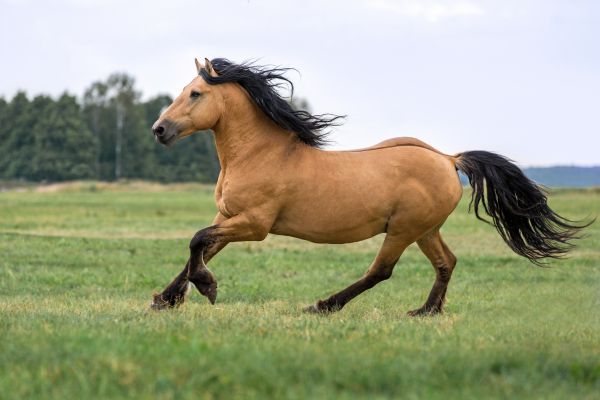
A working horse gives more than movement. It gives strength, endurance, patience, and daily reliability. Whether pulling loads, assisting on farms, carrying riders over long distances, supporting tourism, or helping with transport in rural communities, these animals often perform demanding tasks in changing weather and challenging conditions.
Because of that, feeding a working horse is not the same as feeding a lightly active companion horse. Energy needs rise, hydration becomes more important, recovery matters more, and nutritional mistakes can show up quickly through weight loss, fatigue, poor coat condition, irritability, or declining performance.
Thoughtful horse nutrition for working animals is not about expensive extras or complicated trends. It is about consistent basics: forage, water, balanced energy, minerals, workload awareness, and regular observation.
When nutrition matches the job, horses tend to cope better physically and mentally.
Why Working Horses Need a Different Feeding Approach
A horse standing in pasture most of the day uses energy differently than one hauling carts, plowing fields, trekking tourists, or training regularly.
Work increases calorie use, sweating, muscle demands, and recovery needs. In hot climates, dehydration and electrolyte loss can become serious concerns. In colder seasons, energy needs may rise as horses work while maintaining body heat.
This is why horse nutrition for working animals should be based on actual workload rather than assumptions.
Some horses need only modest dietary adjustment. Others require significant support during peak seasons.
Forage Should Remain the Foundation
No matter the workload, forage remains central to equine nutrition. Good-quality hay, pasture, or other appropriate roughage supports digestive health, chewing behavior, and steady energy.
Horses are designed to eat fiber frequently. Long periods without forage can increase stress and digestive risk.
Even hardworking horses should not rely mainly on grain while neglecting roughage. Concentrates may supplement calories, but forage usually remains the base.
Whenever possible, begin by improving forage quality before dramatically increasing other feeds.
Energy Needs Depend on the Type of Work
Not all work is equal.
A horse walking moderate distances with occasional pulling effort has different needs than one performing intense short bursts, steep hill travel, or long daily hours. Draft work differs from endurance riding. Intermittent labor differs from sustained labor.
This matters because overfeeding an easy workload can create excess weight or excitability, while underfeeding a demanding workload can lead to muscle loss and fatigue.
The best feeding plans respond to what the horse is truly doing, not what the horse did last season.
Concentrates Can Help When Needed
When forage alone does not meet calorie demands, concentrates such as grains or formulated feeds may be added carefully.
These feeds can provide extra energy in a smaller volume, which is useful for horses working hard or struggling to maintain condition.
However, sudden increases or large single meals can create problems. Many horses do better with smaller divided meals rather than one heavy feeding.
Horse nutrition for working animals often works best when concentrates are introduced thoughtfully, monitored closely, and adjusted gradually.
Fiber and Fat as Alternative Energy Sources
Not all added calories need to come from starch-heavy feeds.
Digestible fiber sources and appropriate fat supplementation may help support energy without some of the sharpness or digestive concerns associated with excessive grain in certain horses.
Beet pulp, stabilized rice bran, vegetable oil, or balanced commercial formulations may be used depending on context and professional guidance.
This can be especially helpful for horses needing more calories but not thriving on high-starch rations.
Protein Supports Muscle and Recovery
People often focus on calories first, but protein quality also matters. Working horses use muscles consistently, and tissue repair depends partly on adequate amino acid intake.
That does not mean extreme protein levels are necessary. More is not automatically better.
Rather, the goal is enough quality protein from balanced forage and feed sources to maintain topline, recovery, and overall condition.
If a horse is losing muscle despite adequate calories, protein balance may deserve attention.
Water Is Non-Negotiable
Few aspects of horse nutrition for working animals are more important than water.
A working horse can lose substantial fluid through sweat, especially in heat or humidity. Even mild dehydration may reduce performance, recovery, and appetite.
Fresh clean water should be available consistently. Some horses drink better when water is familiar in taste or temperature. During travel or heavy work, extra encouragement and routine access may be necessary.
A horse can go longer without feed than without water. That reality should guide priorities.
Electrolytes and Sweating Horses
When horses sweat heavily, they lose not only water but minerals such as sodium, chloride, and potassium.
For horses doing regular intense work, especially in hot climates, electrolyte replacement may be useful depending on sweat loss, total diet, and veterinary advice.
Salt access is important for many horses, and plain salt may meet basic needs in lighter work situations.
The right strategy depends on the individual horse and environment rather than a one-size-fits-all rule.
Body Condition Tells the Truth
Feed bags make promises, but the horse’s body tells the real story.
Regularly assess ribs, topline, neck, coat quality, attitude, hoof condition, and stamina. A horse dropping weight during working season may need more calories or health evaluation. A horse becoming heavy may need ration adjustment.
Photos taken monthly can help owners notice slow changes that daily familiarity hides.
Good horse nutrition for working animals is measured on the horse, not just in the feed room.
Timing of Meals Matters
Large meals immediately before hard work may be uncomfortable or impractical. Many handlers prefer forage access and sensible timing of concentrate meals around the workload.
After exertion, allowing cooldown, hydration, and gradual recovery before heavy feeding is often wise.
Routine helps horses too. Predictable schedules reduce stress and may improve appetite.
Feeding is not only what is fed, but when and how.
Older Working Horses Need Special Attention
Many working horses continue contributing into older age. These horses may have dental wear, reduced chewing efficiency, slower recovery, or changing metabolism.
They may benefit from softer forage options, soaked feeds, more digestible calories, or divided meals.
Never assume age alone means retirement, but nutrition often needs adapting with age.
Older horses frequently tell you quietly when management should change.
Parasites, Teeth, and Health Affect Nutrition
Sometimes a horse is “well fed” on paper but still losing condition. Nutrition does not exist in isolation.
Dental issues can reduce chewing and forage use. Parasites may interfere with condition. Pain, ulcers, illness, and lameness can suppress appetite or change metabolism.
If feeding increases do not improve body condition, broader health evaluation matters.
The ration is only one part of the picture.
Seasonal Adjustments Are Smart Management
Workload and climate often change through the year. Harvest season, tourist season, competition season, or winter downtime may alter needs significantly.
Summer sweating may require more hydration focus. Winter may increase calorie demand for warmth. Off-season horses may need less concentrate to avoid excess weight.
Flexible management usually outperforms static routines.
Simplicity Often Works Best
Many owners worry they need complex supplements and constant product changes. Usually, consistency wins.
Quality forage, enough water, appropriate calories, mineral balance, salt access, regular monitoring, and health care form the real foundation.
Fancy additions rarely compensate for weak basics.
Conclusion
Horse nutrition for working animals is about matching feed to effort, climate, age, and individual condition. A hardworking horse needs reliable forage, clean water, balanced energy, thoughtful recovery support, and ongoing observation far more than trendy extras. Because workloads change, feeding should change too. The healthiest approach is practical, responsive, and centered on what the horse is showing day by day. When nutrition is managed well, working horses often move better, recover faster, maintain condition longer, and continue giving their steady strength to the people who depend on them.
