

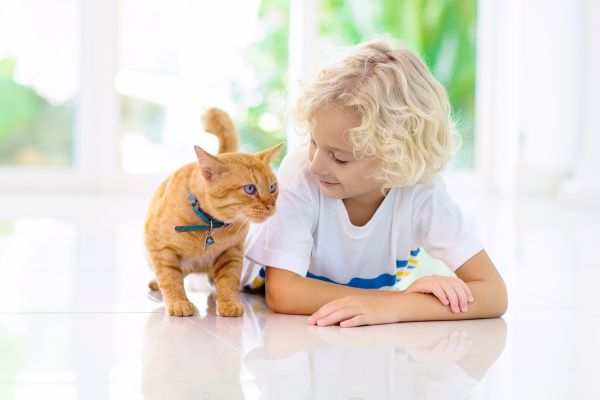
Pets have a special way of becoming part of childhood. A dog waiting by the door, a cat curling up on a blanket, a rabbit nibbling quietly in its hutch, or a fish swimming in circles can all become little companions in a child’s everyday world. For many kids, a pet is not just an animal in the house. It is a friend, a comfort, and sometimes their first real lesson in caring for someone besides themselves.
That is why pet care tips for kids are about more than feeding schedules or clean water bowls. They are really about teaching responsibility in a gentle, practical way. Children learn that pets have needs. They learn that love is not only cuddles and playtime, but also patience, routine, kindness, and attention. These lessons may look small at first, but they often stay with a child for years.
Why Pet Care Teaches Responsibility So Naturally
Responsibility can be a difficult idea to explain to children. It sounds serious, almost too grown-up. But when a child sees that a pet is hungry, thirsty, tired, or nervous, the idea becomes easier to understand. A pet depends on people. That simple truth helps children connect actions with consequences.
When kids help fill a water bowl, brush a dog, or gently clean a pet’s living space, they begin to see that care is something you do regularly, not only when you feel like it. This is one of the most valuable parts of pet ownership. It turns responsibility into a daily habit.
Pets also teach children that living things have different moods and limits. A cat may not want to be picked up. A hamster may need quiet time. A dog may feel scared during thunderstorms. Learning to notice these signals helps children build empathy. They start to understand that care means paying attention, not just showing affection in the way they prefer.
Choosing Age-Appropriate Pet Care Tasks
Children can help with pets at almost any age, but the tasks should match their maturity. A young child may not be ready to walk a dog alone or clean a cage without help, but they can still take part in simple ways.
Younger kids can help pour food with supervision, place a bowl on the floor, put toys away, or speak softly around nervous animals. These small jobs give them a sense of involvement without putting too much pressure on them. They feel useful, and that feeling matters.
Older children can take on more detailed responsibilities, such as measuring food, brushing fur, checking water, helping with litter changes, or joining a parent on walks. Teenagers may be able to manage larger parts of a pet’s routine, but even then, adults should still stay involved. A pet’s health and safety should never rest completely on a child.
The goal is not to hand over all responsibility at once. It is to build it slowly, so children feel capable rather than overwhelmed.
Teaching Kids to Feed Pets the Right Way
Feeding a pet may seem simple, but it is one of the first care routines children usually learn. It teaches timing, portion control, and consistency. Kids quickly discover that pets cannot simply grab a snack from the kitchen when they are hungry.
Children should learn that different animals eat different foods. A dog’s meal is not the same as a rabbit’s. A goldfish does not need a handful of food just because it looks excited at the tank. This helps children understand that caring for a pet means learning what is actually good for that animal, not guessing.
It is also important to teach kids that some human foods can be unsafe for pets. They may want to share treats out of love, but love needs guidance. A gentle explanation works better than fear. You might say, “That food is okay for us, but it can make our pet sick.” Over time, children begin to understand that kindness also means making safe choices.
Keeping Water Fresh and Easy to Notice
Fresh water is one of the simplest pet care responsibilities for kids, yet it teaches an important lesson. Animals need care even when they are not asking loudly for it. A quiet water bowl still needs checking.
Children can learn to look at the bowl each morning or after school. Is it empty? Is the water dirty? Does it need to be refilled? This kind of observation builds awareness. Kids begin to notice details instead of waiting for an adult to remind them.
For small pets, water bottles or bowls may need extra attention. A rabbit’s water bottle can get stuck. A bird’s water dish may become messy. A fish tank needs a different kind of water care altogether. These little differences help children understand that every pet has its own needs.
Helping Kids Understand Gentle Handling
One of the most important pet care tips for kids is learning how to touch and handle animals gently. Children often love pets with big energy. They may hug too tightly, chase too quickly, or pick up an animal without realizing it feels unsafe.
Kids need calm, repeated guidance. They should learn to use soft hands, slow movements, and quiet voices. They should also learn that pets are allowed to say no. If a dog walks away, a cat hides, or a small animal freezes, that is a signal to give space.
This lesson is valuable beyond pet care. It teaches respect for boundaries. Children begin to understand that affection should feel safe for both sides. A pet is not a toy, and even the sweetest animal needs rest, privacy, and gentle treatment.
Making Grooming a Shared Routine
Grooming can become a peaceful bonding activity when it is handled with patience. Brushing a dog, helping wipe muddy paws, or watching a parent trim nails teaches children that pets need care to stay comfortable.
Not every pet enjoys grooming at first. Some animals wiggle, hide, or become anxious. This gives kids another chance to learn patience. They can see that care is not always quick or easy, but it can still be done kindly.
Children should not be expected to manage difficult grooming tasks alone. Nail trimming, bathing nervous animals, cleaning ears, or handling matted fur may need adult experience. Still, kids can help by bringing a towel, offering a treat, speaking gently, or brushing areas the pet enjoys.
The shared routine matters. It shows children that pet care is not one dramatic act of love. It is many small, ordinary acts repeated over time.
Teaching Cleanliness Without Making It Feel Like Punishment
Cleaning up after pets is not the most exciting part of having an animal, but it is one of the most honest lessons in responsibility. Pets create mess. Cages need cleaning. Litter boxes need attention. Food areas need wiping. Toys get scattered. Fur appears in places nobody expects.
Children may resist these jobs, especially at first. That is normal. It helps to explain cleaning as part of keeping the pet healthy and comfortable, not as a punishment. A guinea pig needs a clean space. A dog needs a safe area. A fish needs a healthy tank. Cleanliness becomes an act of care.
For younger children, cleaning tasks can be simple. They can put pet toys in a basket or help replace bedding under supervision. Older kids can take on more structured chores, as long as hygiene and safety are taught clearly. Washing hands afterward should become a habit, not an afterthought.
Recognizing When a Pet Needs Space
Children often assume that if they want to play, the pet must want to play too. But animals have their own rhythms. They sleep, hide, stretch, watch, and rest. Helping children understand this can prevent stress for both the child and the pet.
A good rule is to teach kids to observe before touching. Is the pet relaxed? Is it eating? Is it sleeping? Is it moving away? These signs matter. When children learn to read them, they become more thoughtful caregivers.
This is especially important with small pets, older pets, rescue animals, or animals that are easily startled. A child who learns to wait, watch, and respect space is learning emotional control in a very practical way.
Turning Pet Care Into a Family Habit
Pet care works best when it feels like a family rhythm rather than a list of random chores. Children are more likely to stay involved when they see adults taking pet care seriously too. If parents treat the pet with patience and consistency, kids usually follow that example.
Simple routines help. Morning water checks, evening feeding, weekend brushing, or after-walk paw cleaning can become familiar parts of the day. Children like knowing what comes next. It gives them confidence and reduces arguments.
Still, mistakes will happen. A child may forget to refill water or leave a toy out. These moments should be handled calmly. Instead of shaming, guide them back to the responsibility. The lesson is not that they must be perfect. The lesson is that caring means noticing, correcting, and trying again.
Using Pet Care to Build Empathy
The sweetest part of children caring for pets is watching empathy grow. A child may begin by simply wanting to play, but over time, they start noticing feelings. They may say the dog looks tired, the cat seems nervous, or the rabbit likes quiet voices. These observations show emotional growth.
Pets give children a safe way to practice compassion. They learn that someone smaller, quieter, or different still deserves respect. They learn that care is not always about getting attention in return. Sometimes it is about giving comfort, creating safety, and being dependable.
That kind of empathy can shape how children treat people too. A child who learns to be gentle with a pet often becomes more aware of tone, space, and kindness in other relationships.
Conclusion
Pet care tips for kids are not just about making sure animals are fed, clean, and comfortable, though those things matter deeply. They are also about helping children grow into thoughtful, patient, responsible people. Through daily care, kids learn that love is active. It shows up in fresh water, gentle hands, clean spaces, careful listening, and small routines done even when no one is watching.
A pet can bring joy, laughter, and comfort into a child’s life, but it can also teach quiet lessons that no lecture could explain as well. When children are guided with patience and given tasks they can truly handle, pet care becomes more than a household duty. It becomes a meaningful part of growing up.
