

The decision to bring a pet into your life is rarely a casual one. It’s emotional, personal, and often shaped by childhood memories, lifestyle realities, and even social values. Somewhere along the way, most people run into the same question: adoption vs buying a pet. It sounds simple on the surface, but once you look closer, the answer becomes layered, nuanced, and deeply human.
This isn’t a debate with a single right outcome. It’s more like a crossroads, where motivations, expectations, and responsibilities intersect. Understanding what each path truly involves can make the difference between a short-term choice and a long-term bond.
Why This Question Matters More Than Ever
Pet ownership has changed dramatically over the past few decades. Shelters are fuller, designer breeds are trendier, and social media has turned pets into lifestyle symbols as much as companions. Against this backdrop, adoption vs buying a pet isn’t just about where an animal comes from. It’s about what kind of relationship you’re prepared to build and what trade-offs you’re willing to accept.
For many people, the choice reflects their values as much as their circumstances. Others approach it practically, thinking about allergies, space, or predictability. Both perspectives are valid, and both deserve an honest look.
The Experience of Adopting a Pet
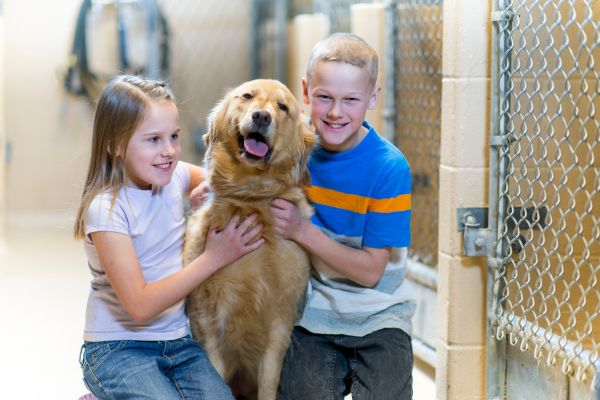
Adoption often begins in a shelter or rescue organization, places that are usually louder, more chaotic, and emotionally heavier than pet stores or breeder facilities. Animals here come with histories, even if those histories are incomplete. Some were surrendered due to life changes, others were found wandering, and a few were born into the system without ever knowing a stable home.
What adoption offers, first and foremost, is possibility. You’re not just choosing a pet; you’re stepping into a story already in progress. That can feel intimidating, but it can also be deeply meaningful.
Adopted pets often surprise their owners. The shy dog who blossoms after a few weeks. The older cat who turns out to be the most affectionate presence in the house. There’s a sense of discovery that doesn’t always exist when expectations are tightly defined.
That said, adoption isn’t always smooth. Behavioral quirks, unknown health backgrounds, and adjustment periods are real considerations. Adoption asks for patience and flexibility, qualities that not everyone is ready to offer right away.
What Buying a Pet Usually Involves
Buying a pet, typically from a breeder or pet store, appeals to people who want a clearer sense of what they’re getting. Breed characteristics, size, temperament tendencies, and even appearance can feel more predictable. For some households, especially those with specific needs, that predictability matters.
There’s also an undeniable appeal to raising an animal from a very young age. Being there for the first milestones can create a strong sense of attachment. Training, socialization, and routines start from a blank slate, which many people find comforting.
However, buying a pet isn’t free from uncertainty. Genetics don’t guarantee personality, and even well-bred animals can develop health or behavioral issues. The polished image of buying can sometimes hide complexities that only appear later.
When discussing adoption vs buying a pet, it’s important to acknowledge that buying isn’t inherently careless, just as adoption isn’t inherently virtuous. The reality depends heavily on how informed and responsible the owner is.
Emotional Expectations and Reality
One of the most overlooked aspects of this choice is emotional expectation. People often imagine adoption as an instant rescue story or buying as a seamless, joyful beginning. In practice, both paths come with emotional ups and downs.
Adopted pets may need time to trust, and that waiting period can feel discouraging if you’re expecting immediate affection. Bought pets, especially young ones, can be overwhelming, demanding constant attention and training that tests your patience.
The difference often lies in how prepared you are for imperfection. Pets, regardless of origin, are not accessories or blank canvases. They’re individuals, and individuality always comes with surprises.
Health, Costs, and Long-Term Commitment
From a practical standpoint, health and cost are major factors in the adoption vs buying a pet conversation. Adoption fees are usually lower upfront and often include vaccinations or basic medical care. Buying a pet can involve significantly higher initial costs, especially for certain breeds.
Long-term expenses, however, tend to balance out. Food, veterinary care, grooming, and unexpected health issues don’t discriminate based on where a pet came from. What matters more is your ability to plan for the long haul.
Health history is another area where assumptions can mislead. Adopted animals may come with unknown backgrounds, but purchased pets can carry breed-specific conditions. Neither option guarantees a problem-free future.
Lifestyle Fit Matters More Than Origin
It’s easy to get caught up in the moral framing of adoption vs buying a pet, but lifestyle fit often deserves more attention. An active person with plenty of outdoor time might thrive with a high-energy dog, regardless of where that dog came from. A quieter household may be better suited to an older or more laid-back animal.
Space, time, and emotional bandwidth play a huge role in determining success. A mismatch here can lead to frustration on both sides, no matter how good the intentions were at the start.
This is where honest self-reflection becomes crucial. Choosing a pet isn’t about proving something to others. It’s about creating a stable environment where both you and the animal can thrive.
The Ethical Layer Without the Lectures
Ethics often hover over this discussion, sometimes loudly. Adoption is frequently framed as the “right” choice, buying as the “selfish” one. While the larger issues of overpopulation and breeding practices are real, simplifying the conversation can be counterproductive.
Ethical pet ownership isn’t defined solely by origin. It’s defined by care, responsibility, and commitment. A neglected adopted pet and a well-loved purchased pet tell very different stories.
That doesn’t mean ethics should be ignored. It means they should be considered thoughtfully, without guilt-driven decisions that don’t align with reality.
What Really Makes a Good Choice
In the end, adoption vs buying a pet isn’t about winning an argument. It’s about making a choice you can stand by years later, when the novelty has worn off and the daily responsibilities remain.
A good choice feels sustainable. It accounts for your current life and the changes that may come. It leaves room for learning, adjustment, and growth, both for you and your pet.
Sometimes the best decision is the one that feels less dramatic and more grounded. The one that fits quietly into your life rather than reshaping it overnight.
A Thoughtful Way to Wrap It Up
Choosing how to welcome a pet into your life is a deeply personal decision. Adoption and buying each come with their own rewards, challenges, and emotional textures. Neither path guarantees perfection, and neither should be judged in isolation.
What matters most is intention followed by action. A pet doesn’t measure your values by how you found them. They measure it by how you show up, day after day, when they need you.
When you look at adoption vs buying a pet through that lens, the question shifts. It stops being about where the journey starts and becomes about how committed you are to seeing it through.
