

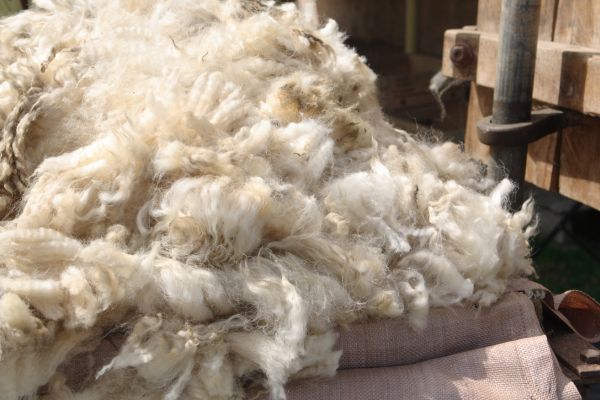
Wool has always carried a quiet reputation in farming communities. Long before synthetic fibers became common, sheep wool was valued for warmth, durability, and natural resilience. Even today, the quality of a fleece can say a great deal about the health of a flock and the management behind it. Strong, clean, soft wool rarely happens by accident. It is usually the result of careful feeding, stress reduction, breeding choices, and day-to-day attention.
Many sheep owners focus heavily on weight gain or lamb production while overlooking fleece condition until shearing season arrives. By then, problems such as breakage, contamination, weakness, or uneven texture are already locked into the wool fibers. Improving fleece quality takes a more consistent approach throughout the year.
The process of sheep wool quality improvement is not based on one miracle solution. Instead, it depends on a collection of small decisions that gradually shape stronger and healthier wool growth over time.
Understanding What Makes Wool High Quality
Not all wool is the same. Some fleeces feel soft and elastic, while others appear coarse, brittle, or heavily contaminated. Wool quality is usually judged through several characteristics including fiber diameter, strength, length, cleanliness, brightness, and uniformity.
Fine wool breeds naturally produce softer fibers, but management still plays a major role. Even genetically strong sheep can produce poor wool under stressful or unhealthy conditions.
Healthy fleece generally has a smooth texture with consistent crimp and good tensile strength. Weak spots in the fiber often reflect nutritional stress or illness experienced months earlier. Wool essentially acts like a timeline of the sheep’s overall condition.
That is why experienced shepherds often say fleece quality begins long before shearing day.
Nutrition as the Foundation of Wool Growth
Nutrition sits at the center of nearly every discussion about sheep wool quality improvement. Wool is made largely from protein, which means sheep need steady access to balanced nutrition if they are expected to grow strong fibers.
Poor-quality pasture or inadequate protein intake can quickly reduce fleece strength and density. Sheep that experience nutritional shortages may develop wool breaks, which are weak points where fibers snap easily during processing.
Energy matters too. Sheep underfed during winter or drought periods often produce thin, lifeless wool. Sudden feed changes can create uneven growth patterns across the fleece.
Minerals are equally important. Zinc, selenium, sulfur, and copper all influence wool development, although copper levels must be managed carefully because sheep are highly sensitive to toxicity.
Consistent feeding tends to produce more consistent wool. Sudden fluctuations in diet often show up later in the fleece itself.
The Role of Clean Water in Wool Health
Water is sometimes overlooked when discussing fleece quality, yet dehydration affects nearly every function within the body, including wool production.
Sheep that lack reliable access to fresh water may reduce feed intake, leading to nutritional stress that weakens fiber growth. During hot weather, this effect becomes even more noticeable.
Dirty troughs can also discourage drinking. Sheep are surprisingly selective animals in some situations and may consume less water if it appears contaminated or stale.
Healthy fleece growth depends on the entire body functioning efficiently. Water supports digestion, circulation, and nutrient transport, all of which influence wool condition over time.
Breeding Choices and Genetic Influence
Some sheep naturally produce superior wool because of their genetics. Breeds developed for fine wool production generally offer softer fibers and more uniform fleece characteristics than meat-focused breeds.
Selective breeding remains one of the most effective long-term strategies for sheep wool quality improvement. Farmers who consistently retain sheep with strong fleece traits often see gradual improvements across future generations.
However, genetics alone cannot compensate for poor management. A well-bred sheep kept under stressful or unhealthy conditions may still produce disappointing wool.
Many producers focus on traits such as staple length, fiber strength, fleece density, and resistance to contamination when selecting breeding animals. Consistency matters more than perfection. Over time, even modest improvements in breeding decisions can significantly strengthen flock wool quality.
Reducing Stress for Better Fleece Condition
Stress leaves visible marks on wool. Sheep that experience prolonged fear, illness, transportation strain, predator pressure, or poor handling often develop weakened fibers known as stress breaks.
These weak sections reduce wool durability and lower overall fleece value. In severe cases, entire portions of the fleece may become tender enough to separate during processing.
Calm handling practices make a noticeable difference. Sheep respond better to quiet movement and predictable routines than loud or aggressive treatment. Even changes in environment or social grouping can influence stress levels.
Weather exposure also plays a role. Sheep forced to endure cold rain, muddy conditions, or inadequate shelter may experience reduced body condition that eventually affects fleece quality.
A relaxed flock generally produces healthier wool than one constantly exposed to disruption or discomfort.
Parasite Control and Skin Health
External and internal parasites can quietly damage fleece quality over time. Sheep battling heavy parasite burdens often divert nutrients away from wool growth in order to maintain basic body functions.
Lice, mites, and skin irritations directly affect fleece cleanliness and texture. Sheep suffering from itching or irritation may rub against fences or trees, causing fiber breakage and contamination.
Internal parasites can weaken body condition, leading to dull or fragile wool growth. Regular health monitoring helps prevent these issues from escalating.
Healthy skin is essential because wool grows directly from it. Sheep with untreated skin infections or chronic irritation rarely produce strong, uniform fleece.
Good pasture management, clean bedding, and consistent flock health practices all contribute to healthier wool-producing skin.
Shelter and Environmental Protection
Weather exposure shapes wool more than many people realize. Excessive mud, moisture, and manure contamination reduce fleece cleanliness and increase the difficulty of processing wool after shearing.
Proper shelter helps protect sheep from prolonged wet conditions that encourage fleece rot or bacterial growth. Ventilation matters as well. Damp barns with poor airflow can create unhealthy conditions that affect both animals and wool quality.
Dust and burrs also create problems. Sheep grazing in heavily contaminated areas may carry plant debris deep into the fleece, reducing its usability and increasing processing waste.
Clean living conditions do not need to be elaborate, but they should minimize unnecessary contamination and prolonged moisture exposure.
Timing and Technique During Shearing
Even excellent wool can lose quality through poor shearing practices. Timing matters because overly long fleece may become heavily contaminated, while early shearing in harsh weather can stress sheep unnecessarily.
Most sheep benefit from annual shearing schedules aligned with climate conditions and breed characteristics. Skilled shearing reduces second cuts, which are short fibers that lower fleece consistency.
Handling wool carefully after removal also matters. Fleeces thrown onto dirty surfaces or mixed with contaminated material lose quality quickly.
Experienced shearers often notice subtle differences between well-managed sheep and neglected ones. Healthy wool tends to separate cleanly, while weak fleece may appear brittle or uneven during removal.
Seasonal Feeding Adjustments and Wool Growth
Wool production continues year-round, which means seasonal management changes directly affect fleece development. Winter nutrition becomes especially important because sheep expend more energy maintaining body heat during colder months.
If feed quality declines sharply during winter, wool growth often weakens. Thin sections may later appear in the fleece where nutrition temporarily dropped.
Spring pasture growth can improve wool condition significantly, although sudden transitions to lush grass should still be managed carefully. Consistent nutrient intake produces steadier fiber growth patterns.
Pregnant and lactating ewes deserve special attention because their nutritional demands increase sharply. Sheep that struggle during these stages often show fleece weakness months later.
Wool reflects long-term care more than short-term fixes.
Managing Wool Contamination
One of the biggest challenges in sheep wool quality improvement involves preventing contamination. Hay chaff, burrs, seeds, manure, and synthetic fibers can all reduce wool usability.
Feeding methods influence contamination more than many people expect. Sheep fed from the ground often collect more debris in their fleece than those using raised feeders.
Certain bedding materials may also cling to wool. Straw, for example, can become deeply embedded if animals spend long periods lying in confined spaces.
Even handling equipment matters. Twine fragments or synthetic materials accidentally mixed into fleece can create processing problems later.
Cleaner environments generally lead to cleaner wool, though complete perfection is rarely realistic in outdoor farming systems.
Patience and Consistency in Wool Improvement
Improving fleece quality rarely happens overnight. Wool reflects months of growth, nutrition, and environmental exposure. Changes introduced today may not become fully visible until the next shearing season.
This gradual process can sometimes frustrate newer sheep owners who expect immediate results. Yet experienced shepherds understand that wool improvement depends on consistency more than speed.
Small adjustments often create meaningful results over time. Better feeding practices, reduced stress, cleaner housing, and selective breeding steadily shape stronger fleeces across future seasons.
The process becomes less about chasing perfection and more about understanding the rhythm of flock management.
Conclusion
Successful sheep wool quality improvement comes from careful attention to the entire animal rather than the fleece alone. Nutrition, genetics, stress control, parasite management, shelter, and seasonal care all contribute to the final condition of the wool.
Healthy sheep generally grow healthier fleece. That connection becomes increasingly obvious to anyone who spends enough time around a flock. Strong wool reflects steady routines, balanced feeding, calm handling, and thoughtful management choices carried out over months and years.
In many ways, wool serves as a quiet record of how sheep have been cared for throughout their lives. When the flock is healthy, comfortable, and properly managed, the fleece usually tells that story on its own.
