

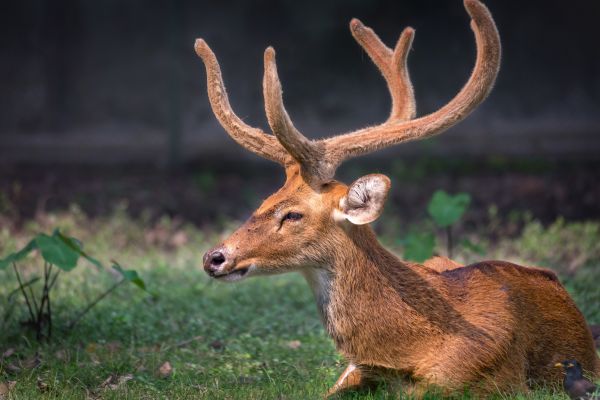
Wildlife sanctuaries offer something that ordinary travel rarely can: a chance to step into a world where nature still has room to breathe. The air feels different in these places. The pace slows down. Sounds become sharper. A rustle in the grass, a birdcall from deep inside the trees, the distant movement of an animal near water—small details begin to matter.
For many people, visiting wildlife sanctuaries is not only about seeing animals. It is about understanding how forests, wetlands, grasslands, rivers, and mountains support life in ways we often overlook. These protected spaces give animals a safer environment, help preserve fragile habitats, and allow visitors to experience the natural world with more awareness and respect.
The best wildlife sanctuaries are not always the most famous ones. Some are large and dramatic, home to elephants, big cats, rhinos, or bears. Others are quiet wetlands filled with migratory birds. Some protect rare reptiles, marine life, or small mammals that most travelers never think about. Each sanctuary has its own rhythm, and that is what makes exploring them so rewarding.
Why Wildlife Sanctuaries Matter
Wildlife sanctuaries play an important role in protecting animals and their habitats. As cities expand, forests shrink, and climate patterns change, many species lose the spaces they need to feed, breed, migrate, and survive. Sanctuaries help reduce that pressure by creating areas where wildlife can live with fewer human threats.
They are also important for conservation education. When people visit these places responsibly, they often leave with a deeper understanding of nature. Seeing an animal in its natural surroundings is very different from seeing it in a picture. A deer moving through tall grass, a crocodile resting near a riverbank, or a flock of birds rising from a lake can make conservation feel real and personal.
Wildlife sanctuaries also support ecosystems as a whole. Protecting one species often means protecting many others. A forest that shelters leopards may also support birds, insects, reptiles, trees, fungi, and rivers. Nature works as a connected system, and sanctuaries help keep that system alive.
What Makes a Wildlife Sanctuary Worth Visiting
A good wildlife sanctuary is not just a place where animals can be seen. It is a place where animals are protected and allowed to behave naturally. The experience should feel respectful, not staged. Visitors should be encouraged to observe quietly, follow rules, and understand that sightings are never guaranteed.
The landscape matters too. A sanctuary with healthy habitat usually offers a richer experience, even if animals are not visible every moment. Forest trails, wetlands, open plains, rocky hills, mangroves, and riverbanks all tell part of the story. Sometimes the place itself becomes as memorable as the wildlife.
Responsible management is another important factor. Clear visitor guidelines, trained guides, controlled access, and conservation-focused programs all help reduce disturbance. The best wildlife sanctuaries balance tourism with protection. They welcome visitors, but not at the cost of the animals.
Forest Sanctuaries and the Mystery of the Wild
Forest-based wildlife sanctuaries often feel deeply atmospheric. They are places of shade, layered sounds, and hidden movement. Animals may not always appear easily, but that is part of the experience. Forest wildlife is often shy, and patience becomes essential.
In these sanctuaries, you might see deer, monkeys, wild boar, colorful birds, reptiles, or even larger predators if you are lucky. But the real beauty lies in how everything blends together. Sunlight breaks through leaves. Insects hum in the background. A langur calls from somewhere above. The forest does not reveal itself all at once; it lets you notice it slowly.
For travelers who enjoy quiet observation, forest sanctuaries can be especially rewarding. Early mornings are often the best time to visit, when the air is cool and animals are more active. Walking with a trained guide can also help, because guides notice signs that most visitors miss: fresh tracks, claw marks, droppings, alarm calls, or movement in the canopy.
Wetland Sanctuaries and Birdlife
Wetland wildlife sanctuaries have a completely different charm. Instead of dense trees and hidden paths, they often open into wide water bodies, reed beds, marshes, and muddy edges full of life. These places are especially important for birds, including migratory species that travel thousands of miles across seasons.
A wetland visit can feel peaceful at first, then suddenly full of action. Ducks glide across still water. Herons stand like statues. Kingfishers flash past in bright color. Migratory birds gather in large numbers, creating scenes that feel almost unreal. Even the quiet moments are beautiful, especially when mist sits over the water at sunrise.
Wetlands are also important beyond their beauty. They filter water, reduce flooding, store carbon, and support fish, amphibians, insects, and plants. Visiting a wetland sanctuary can help people appreciate how valuable these habitats are, even when they look simple from a distance.
For birdwatchers and photographers, wetland sanctuaries are often among the best places to visit. A pair of binoculars, a patient eye, and a calm approach can make the experience much richer.
Grassland and Savannah Sanctuaries
Grassland sanctuaries have a more open, dramatic feeling. The horizon stretches wider, and animals can often be seen from a distance. These landscapes may look empty at first glance, but they are full of life. Antelope, wild horses, wolves, foxes, birds of prey, small mammals, and reptiles may all depend on grassland habitats.
The appeal of these sanctuaries lies in visibility and movement. You may see animals grazing, running, hunting, or gathering near water. Birds hover above the grass. The wind changes the texture of the land. Light moves quickly across open spaces, making every hour feel different.
Grasslands are sometimes undervalued compared to forests, but they are equally important. Many species are specially adapted to open habitats and cannot survive if grasslands are converted into farms, roads, or buildings. Visiting these sanctuaries helps highlight the need to protect landscapes that may seem plain but are ecologically rich.
Mountain Wildlife Sanctuaries
Mountain wildlife sanctuaries are often challenging to reach, but they can be unforgettable. The landscapes are rugged, the weather can shift suddenly, and animals are often difficult to spot. Yet the sense of wilderness is powerful.
These sanctuaries may protect snow leopards, mountain goats, bears, pheasants, eagles, and other species adapted to steep terrain and cold climates. Even when wildlife sightings are rare, the environment itself creates a strong impression. Clear streams, alpine meadows, rocky cliffs, and silent valleys all add to the experience.
Mountain sanctuaries remind visitors that wildlife protection is not only about animals people can easily see. Some of the world’s most vulnerable species live in remote, fragile habitats. Protecting these areas means protecting water sources, plant life, and local ecological balance as well.
Travelers visiting mountain sanctuaries should prepare carefully, respect local conditions, and avoid disturbing sensitive habitats. In these places, a light footprint matters.
Marine and Coastal Wildlife Sanctuaries
Not all wildlife sanctuaries are found on land. Marine and coastal sanctuaries protect coral reefs, mangroves, sea turtles, dolphins, seabirds, and many other forms of life. These areas are especially important because oceans face growing pressure from pollution, overfishing, warming waters, and coastal development.
A visit to a coastal sanctuary can include walking through mangrove forests, watching turtles nest, observing seabirds, or exploring tidal zones. Marine sanctuaries may offer glimpses of underwater ecosystems where fish, corals, and other sea creatures depend on delicate balance.
Mangroves are particularly fascinating. They protect coastlines, provide nurseries for fish, and shelter birds, crabs, reptiles, and mammals. At first glance, they may look tangled and difficult to explore, but they are among the most productive ecosystems on earth.
Responsible tourism is extremely important in marine sanctuaries. Visitors should avoid touching coral, disturbing nesting sites, leaving plastic behind, or getting too close to marine animals. The ocean may seem vast, but many coastal habitats are surprisingly fragile.
Visiting Wildlife Sanctuaries Responsibly
A meaningful visit begins with respect. Wildlife sanctuaries are not entertainment parks. They are living habitats, and visitors are guests. That means following rules, keeping noise low, staying on marked paths, and maintaining distance from animals.
Feeding wildlife should always be avoided. It may seem harmless, but it can change animal behavior, create dependency, and even make animals aggressive or sick. Flash photography, loud music, littering, and chasing animals for photos can also cause stress.
It is better to let the experience unfold naturally. Some days bring many sightings. Other days are quiet. Both are part of the wild. A sanctuary visit should not be judged only by how many animals appear. The landscape, sounds, tracks, plants, and silence all matter too.
Choosing trained local guides can also improve the experience. A good guide does more than point out animals. They explain behavior, habitat, conservation challenges, and the smaller details that bring the place to life.
The Best Time to Visit Wildlife Sanctuaries
The best time to visit wildlife sanctuaries depends on the habitat and the species you hope to see. In many places, early morning and late afternoon are ideal because animals are more active and the light is softer. Midday can be quieter, especially in hot climates, as many animals rest in shade.
Season also matters. Wetlands may be best during migratory bird season. Forest sanctuaries may offer better visibility in drier months when vegetation is less dense. Some animals are easier to observe during breeding seasons, while others gather near water during dry periods.
However, every season has its own beauty. Rain can make forests lush and dramatic. Winter can bring migratory birds. Summer may reveal reptiles, insects, and activity near water sources. Rather than chasing only the “perfect” season, it is worth learning what each sanctuary offers throughout the year.
Finding Inspiration Beyond Famous Places
Famous wildlife sanctuaries often receive the most attention, but smaller and lesser-known sanctuaries can be just as inspiring. Local reserves, bird sanctuaries, community-protected forests, and rehabilitation areas can offer rich experiences without large crowds.
These places are important because conservation does not happen only in world-famous destinations. It also happens in small wetlands near towns, forests protected by local communities, and coastal areas where people work quietly to save nesting sites or restore habitats.
Visiting lesser-known sanctuaries can create a more personal connection with nature. You may have time to observe slowly, speak with local guides, and notice details that are easy to miss in busier places. Sometimes the most memorable wildlife experience is not a dramatic encounter but a quiet moment in a place that feels alive.
Conclusion: A Journey Into the Living World
Wildlife sanctuaries are more than travel destinations. They are reminders of how much life exists beyond human routines, and how carefully that life must be protected. Every forest path, wetland edge, grassland trail, mountain valley, and coastal mangrove holds stories that are older and more complex than we often realize.
Visiting wildlife sanctuaries can be exciting, peaceful, humbling, and eye-opening all at once. You may go hoping to see a particular animal, but often you return with something broader: a deeper respect for habitats, seasons, silence, and the delicate balance that keeps wild places alive.
The best sanctuary visit is one made with patience and care. Walk softly. Watch closely. Let the animals remain wild. In doing so, the experience becomes more meaningful—not just a trip to see nature, but a quiet lesson in why it matters.
