

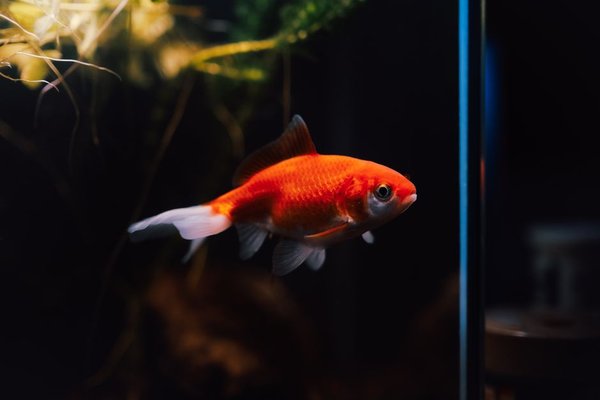
Goldfish are often sold beside tiny bowls, yet the fish themselves are anything but tiny. Many grow surprisingly large, live for years, and produce far more waste than their delicate appearance suggests. A successful goldfish tank setup starts with swimming room and a stable biological system, not ornaments. Get those basics right, and the tank becomes easier to maintain as well as better for the fish.
Start With the Adult Fish, Not the Size at the Shop
Goldfish come in two broad body types. Fancy varieties, including fantails and orandas, have rounded bodies and generally swim slowly. Common and comet goldfish have streamlined bodies, single tails, and greater swimming ability. Both need generous space, but a tank suitable for a fancy goldfish may be inadequate for an adult comet.
For a single fancy goldfish, plan around a spacious aquarium of roughly 100–150 litres or more, rather than a desktop kit. Additional fish need substantially more room. Single-tailed commons and comets often need 250–300 litres or more as adults, with a large, well-managed pond frequently the better long-term home. These are planning ranges, not guarantees: fish size, tank dimensions, filtration, and maintenance all matter.
Choose a long tank with horizontal swimming space instead of a tall, narrow one. Keep it away from direct sunlight and heat. A bowl fails on multiple fronts: insufficient swimming room, limited filtration space, unstable water, and poor gas exchange.
Build Filtration Around Goldfish Waste
Goldfish filtration has two jobs. Mechanical media traps debris and uneaten food, while biological media houses bacteria that process toxic ammonia into nitrite and then nitrate. Clear-looking water can still contain dangerous ammonia, so appearance alone never proves a tank is healthy.
Choose a generously sized filter with ample biological media and accessible sponges. An external canister or appropriately sized internal filter can work. Manufacturer tank-volume ratings are only a starting point; consider the actual waste load and the ability to maintain good water quality.
Flow matters, too. Long-bodied goldfish usually cope with stronger currents than fancy varieties. Aim for circulation without forcing slow swimmers to struggle. A spray bar or redirected outlet can soften a powerful jet while moving the surface.
Protect the Helpful Bacteria
When filter media clogs, rinse it gently in removed aquarium water rather than chlorinated tap water. Avoid replacing all biological media at once, and do not switch the filter off overnight. Its bacteria are part of the life-support system.
Cycle the Aquarium Before Adding Fish
A new filter has little established biological capacity. During a fishless cycle, an appropriate ammonia source feeds developing bacteria while tests track ammonia, nitrite, and nitrate. The aquarium is ready only when the filter can reliably process the expected ammonia input without detectable ammonia or nitrite, not when the water merely looks clear.
This commonly takes several weeks and sometimes longer. Use a reliable liquid test kit and a sound fishless-cycling procedure. If fish are already in an uncycled tank, test ammonia and nitrite frequently, feed sparingly, and use conditioned partial water changes to control exposure.
For a closer explanation of these readings, an aquarium nitrogen cycle guide makes a useful companion.
Keep Water Stable, Oxygenated, and Tested
Goldfish generally do not need tropical heat. Suitable temperature depends partly on variety, with many fancy goldfish doing well in moderately cool, stable indoor conditions. Avoid rapid swings and hot windowsills. Monitor pH, but consistency and safe ammonia and nitrite readings matter more than chasing a number with additives.
Test ammonia, nitrite, and nitrate regularly. In an established aquarium, ammonia and nitrite should remain undetectable on a standard hobby test. Nitrate rises over time and helps indicate whether feeding, stocking, and water changes are balanced. If readings deteriorate, address the cause rather than adding a clarifying chemical.
Surface movement supports oxygen exchange. Position the filter outlet to ripple the surface; an air stone can help, especially in warm weather. Bubbles do not replace adequate tank size. A freshwater aquarium water-testing guide can help with ongoing troubleshooting.
Choose Safe Substrate and Leave Open Swimming Room
Goldfish sift through bottom material while searching for food. Fine aquarium sand or suitably sized, smooth substrate can support this behaviour. Avoid sharp gravel and small stones that could lodge in the mouth. A bare-bottom tank is also workable if cleaning is the priority, provided the fish still have enrichment.
Choose smooth rocks and aquarium-safe ornaments with no jagged edges or tight holes. Fancy goldfish with protruding eyes or long fins are especially vulnerable. Arrange décor along the sides and back, leaving the centre clear.
Hardy plants such as Anubias or Java fern may tolerate goldfish nibbling better than delicate plants, although none is guaranteed to escape attention. Keep a regular day-night lighting cycle with darkness overnight.
A Practical Setup for Two Fancy Goldfish
Imagine bringing home two small fantails and being offered a 40-litre starter kit. It looks spacious while the fish are young, but provides little room for growth and waste. A better plan is a long aquarium around 160–200 litres or larger, with a generous filter, adjustable flow, smooth substrate, and clear swimming space.
Complete the fishless cycle before buying the fish. Add them gradually, monitor test results once feeding begins, and adjust maintenance to the aquarium’s actual waste load. This costs more initially but helps avoid stressful emergency upgrades.
Make Maintenance Predictable
Even a cycled goldfish aquarium needs care. As a starting point, change roughly 20–30% of the water weekly, then adjust the amount and frequency according to measured nitrate, stocking, and waste. Treat replacement tap water with conditioner and match its temperature reasonably closely.
During maintenance, siphon debris, inspect filter flow, and check for changes in appetite, movement, or fins. Remove uneaten food promptly. Feed sensible portions rather than assuming hungry-looking goldfish need another meal. A fish-feeding and portion-control guide can help prevent excess waste.
Frequently Asked Questions
Can a goldfish live in a 10-gallon tank?
A 10-gallon tank, roughly 38 litres, is not a suitable permanent home for an adult goldfish. It provides too little room and water volume to manage a growing fish’s waste reliably.
Do goldfish need an air pump if they have a filter?
Not always. A filter creating adequate surface movement may provide sufficient gas exchange. An air pump helps when circulation is weak or extra aeration is needed.
How often should I clean a goldfish tank?
Check fish and equipment daily, test water routinely, and perform partial water changes and substrate cleaning as needed, often weekly. Do not routinely empty and sterilise the aquarium.
Can fancy and common goldfish share an aquarium?
It is usually better not to mix them. Fast single-tailed fish may outcompete slow fancy varieties for food, and their space needs differ considerably.
Give the Fish Room to Grow
The best goldfish tank setup is designed for the fish they will become, not the size they are today. Ample horizontal space, reliable filtration, a mature nitrogen cycle, safe décor, and measured maintenance work together. A beautiful aquarium is welcome, but healthy water and effortless swimming come first.
