

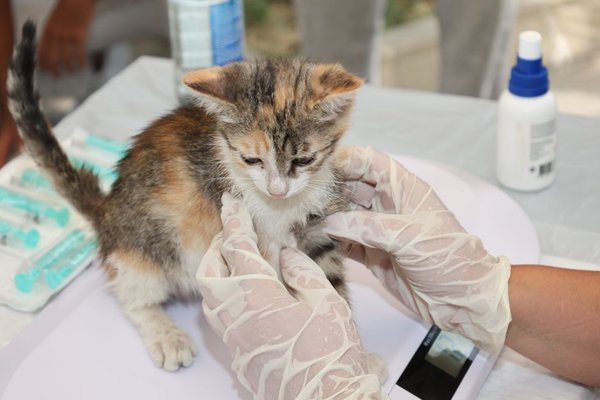
A cat’s vaccine needs change quickly during the first year, then become less frequent once reliable immunity is established. There is no single calendar that fits every kitten because timing depends on age, previous vaccines, the product used, exposure risk, and local rabies rules. The schedule below reflects current U.S. feline vaccination guidance and provides a practical framework to review with your veterinarian.
Cat vaccination schedule by age
6 to 8 weeks: begin the FVRCP series
Most kittens begin FVRCP no earlier than 6 weeks of age. This combination protects against feline herpesvirus-1, feline calicivirus, and feline panleukopenia. These are core cat vaccines because the diseases are widespread and can cause serious illness.
The first feline leukemia virus, or FeLV, vaccine can generally start at 8 weeks. FeLV vaccination is considered core for kittens and cats younger than 1 year because young cats are more susceptible. Veterinarians commonly recommend FeLV testing before vaccination because the vaccine does not treat an existing infection.
9 to 12 weeks: continue kitten vaccines
FVRCP is repeated every 3 to 4 weeks during the kitten series. Repeated doses help overcome maternally derived antibodies that can interfere with vaccination early in life. If the first FeLV dose was given at 8 weeks, the second dose is usually given 3 to 4 weeks later.
Rabies vaccination may also enter the vaccine schedule around this stage. In the United States, the minimum age, product, and booster interval must follow the vaccine label and local law. Many cats receive an initial rabies vaccine at about 12 weeks or older, but your veterinarian should confirm the requirement where you live.
16 to 20 weeks: finish the primary FVRCP series
The final kitten FVRCP dose should be given at 16 weeks of age or later, and some protocols continue through 20 weeks when exposure risk is higher. This late dose matters because maternal antibodies can persist longer in some kittens.
For example, a kitten vaccinated at 8, 12, and 16 weeks still needs the 16-week dose; it is not simply an optional extra. A kitten adopted with incomplete records should not be assumed protected. Bring any paperwork to the veterinary visit so the remaining kitten vaccines can be timed correctly.
About 6 months: FVRCP revaccination
AAHA and AAFP guidance supports revaccinating against panleukopenia, herpesvirus, and calicivirus at about 6 months of age rather than waiting until the traditional one-year point. This helps reduce the possible window of susceptibility in kittens that did not respond fully to the final early-series dose.
Around 1 year and beyond: switch to an adult schedule
FeLV is typically boosted 12 months after the last dose in the initial series. Continued FeLV vaccination then depends on exposure risk. Cats that go outdoors, live with FeLV-positive cats, or encounter cats of unknown status may need ongoing vaccination, while a low-risk indoor adult may not.
Rabies boosters follow local law and the vaccine label, often at one-year or three-year intervals. For injectable FVRCP vaccines, many properly vaccinated low-risk adults move to revaccination at roughly three-year intervals after the recommended booster, although vaccine type and individual risk can change the timing.
Which vaccines are core for cats?
For pet cats in the United States, FVRCP and rabies form the foundation of routine protection. FVRCP covers feline herpesvirus-1, calicivirus, and panleukopenia. Rabies is both a fatal zoonotic disease and a legal issue, so requirements vary by jurisdiction.
FeLV is also considered core during the first year. After age 1, it becomes a risk-based vaccine. This is why a sensible vaccination plan is based on both age and lifestyle instead of giving every available vaccine every year.
Do indoor cats still need vaccines?
Yes. Indoor-only status reduces some exposure, but it does not eliminate every risk. Cats can escape, encounter other animals during travel or boarding, or need temporary housing during an emergency. Core protection remains useful even for cats that normally stay inside.
That does not mean an indoor cat needs every vaccine annually. Non-core vaccines such as Chlamydia felis and Bordetella bronchiseptica are generally reserved for cats with specific exposure risks. Your veterinarian can adjust the plan if your cat begins going outdoors, enters a multi-cat household, or starts boarding regularly.
What if your cat missed vaccines or has no records?
An adult cat with an unknown history does not usually repeat the full kitten series exactly as a young kitten would. For FVRCP, the starting schedule depends partly on vaccine type; an inactivated product generally requires two doses several weeks apart. FeLV vaccination for an at-risk adult also begins with two doses 3 to 4 weeks apart. Rabies is handled according to the product label and local law.
Bring any shelter record, breeder record, vaccine certificate, or previous clinic information you can find. A veterinarian can then create a catch-up schedule without guessing or giving unnecessary doses.
What to expect after vaccination
Some cats are sleepy, mildly sore, or less interested in food for a short period after vaccination. Keep the day calm and make food, water, and the litter box easy to reach. Contact your veterinarian if signs persist or worsen. Facial swelling, difficulty breathing, collapse, or other signs of a severe allergic reaction require urgent veterinary attention.
Annual wellness visits still matter when no vaccine is due. A yearly exam gives the veterinarian a chance to reassess travel, boarding, new pets, outdoor access, and health changes that may alter future vaccine recommendations.
Frequently asked questions
How many FVRCP shots does a kitten need?
There is no fixed number for every kitten because the series is age-based. FVRCP generally starts no earlier than 6 weeks and is repeated every 3 to 4 weeks until at least 16 weeks of age, sometimes through 20 weeks depending on risk.
When should a kitten get its rabies vaccine?
Timing depends on the licensed vaccine and state or local law. Many U.S. kittens receive rabies vaccination at about 12 weeks of age or older. Your veterinarian should use an accepted product and document the date for future boosters.
Is the FeLV vaccine necessary for an indoor kitten?
Current feline guidelines consider FeLV core for cats younger than 1 year because future lifestyle and exposure can be difficult to predict. After the first year, continued FeLV vaccination is based on risk.
Can vaccines be given too close together?
Timing matters. AAHA and AAFP guidance recommends at least a two-week minimum interval between separate vaccination events when vaccines are not administered at the same visit. Your veterinarian can coordinate rabies, FVRCP, and FeLV doses appropriately.
Keeping the schedule simple
Think in life stages: build immunity with repeated kitten doses, close the early gap with the recommended FVRCP revaccination around 6 months, then move to adult boosters based on vaccine type, law, and exposure risk. Keep a digital copy of each vaccine certificate and bring it to every new clinic. That simple habit can prevent unnecessary repeat doses and make lifelong preventive care much easier to manage.
