

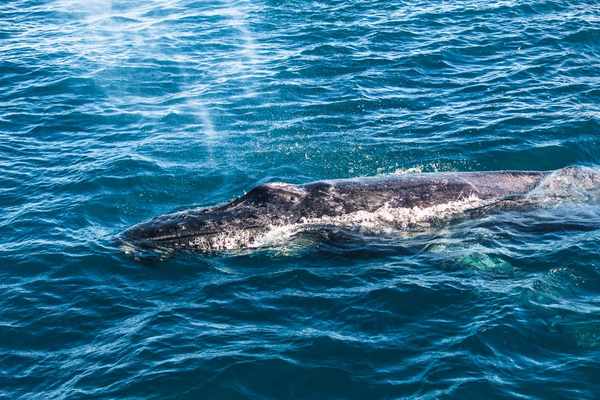
What do whales eat? The answer ranges from tiny drifting crustaceans to large fish, squid and even other marine mammals. A whale’s menu depends mainly on its species, its feeding equipment and the prey available where it lives. Some of the biggest animals on Earth survive by filtering small creatures from seawater, while others actively hunt in the deep ocean.
The easiest way to understand a whale diet is to separate whales into two groups: baleen whales and toothed whales. Their different approaches to food reveal how closely marine life is connected, from microscopic plankton to powerful predators.
What Is the Difference Between Baleen and Toothed Whale Diets?
Baleen whales have rows of flexible, fringed plates hanging from their upper jaws instead of teeth. These plates strain food from water. Many eat krill, copepods and schooling fish, although the balance varies dramatically by species.
Toothed whales have teeth for gripping prey. They generally eat fish, squid or other animals, often using sound and coordinated hunting to find food. They do not usually chew like humans; many swallow smaller prey whole or tear larger catches into pieces.
What Do Baleen Whales Eat?
Blue Whales: Mostly Krill
If you’re wondering what blue whales eat, the surprisingly simple answer is krill. These small, shrimp-like crustaceans gather in dense swarms. A blue whale lunges into a patch of krill, takes in an enormous mouthful of water and prey, then pushes the water back out through its baleen. The krill remain inside to be swallowed.
Despite their immense size, blue whales feed almost entirely on these small animals, with occasional fish or other crustaceans. During intensive feeding periods, an adult can consume several tonnes of krill in a day. Finding concentrated swarms matters more than chasing individual animals.
Humpback Whales: Krill and Schooling Fish
What humpback whales eat changes with location and season. Krill are important, especially in many Southern Hemisphere feeding areas. Elsewhere, humpbacks also target herring, anchovies, capelin and other small schooling fish.
Humpbacks are famous for adaptable whale feeding techniques. Some blow circular curtains of bubbles around fish, concentrating the school before lunging upward with open mouths. This is called bubble-net feeding, and it can involve several whales working together. Not every humpback population uses the technique.
Right Whales and Gray Whales: Two Different Strategies
Right whales specialize in zooplankton, particularly copepods. They can swim slowly with their mouths open, continuously filtering these tiny animals from the water. A productive feeding area therefore needs an exceptionally dense supply of suitable plankton.
Gray whales take a different route. They often roll onto one side and suck up sediment containing small seafloor animals such as amphipods. Their baleen separates edible creatures from mud and water. The feeding pits left behind offer clues that a gray whale has recently been searching the seabed.
What Do Toothed Whales Eat?
Sperm Whales: Squid and Deep-Sea Prey
Sperm whales hunt far below the sunlit surface. Squid are major prey, alongside deep-water fish and occasional other animals such as sharks and skates. Their powerful clicking sounds help them locate targets in dark water through echolocation.
Unlike a baleen whale filtering thousands of tiny animals at once, a sperm whale searches for individual prey during long dives. Its diet connects the surface-breathing world of mammals with creatures living hundreds of metres below.
Orcas: Fish or Marine Mammals, Depending on the Population
Orcas, also called killer whales, are the largest members of the dolphin family and belong to the toothed-whale group. Their diets differ remarkably. In the northeastern Pacific, resident populations mainly eat fish, especially salmon, while Bigg’s killer whales hunt seals, sea lions, porpoises and sometimes other whales.
These preferences are not simply determined by whatever happens to be nearby. Hunting techniques are learned within social groups, so different populations can share waters yet pursue very different meals.
How Do Whales Find and Capture Their Food?
Whales use several feeding methods rather than one universal strategy. Lunging allows blue and humpback whales to engulf dense prey patches. Skim feeding lets right whales continuously strain plankton. Gray whales extract food from sediment, and many toothed whales use echolocation to detect prey underwater.
Picture two feeding scenes off Alaska: a humpback rises through a tightly packed school of fish near the surface, while a sperm whale far offshore dives into deep water to pursue squid. Both are whales, but their prey, habitat and hunting tools are entirely different. For a closer look at underwater sounds, explore how whale echolocation works.
Why Does Whale Food Change by Season and Location?
Ocean productivity is uneven. Sunlight and nutrients support phytoplankton, which help sustain krill, copepods and other small animals. Fish and larger predators depend on these lower levels of the ocean food web. When currents, temperatures or seasonal blooms change, concentrations of prey shift too.
Many baleen whales build up fat reserves at rich feeding grounds before travelling toward breeding areas where they may feed much less. Food availability can also influence where whales gather and how long they remain. Understanding whale migration patterns helps explain why the same species may be seen feeding in one region but rarely eating in another.
Prey shortages can have serious consequences. For example, salmon availability affects fish-eating orcas, while changes in copepod concentrations influence feeding opportunities for endangered North Atlantic right whales. Protecting whales therefore means paying attention to their food sources, not just the animals themselves.
Frequently Asked Questions
Do All Whales Eat Plankton?
No. Some baleen whales feed heavily on zooplankton such as krill and copepods, but others also eat fish. Toothed whales generally hunt fish, squid or larger animals. The word plankton also covers many different organisms, so it does not describe one uniform food.
Do Whales Eat Sharks?
Some do. Certain orca populations hunt sharks, and sperm whales may consume some deep-water sharks. Shark-eating is not typical of baleen whales, which rely on filtering relatively small prey.
Do Whales Eat Every Day?
Feeding patterns vary. Some whales take advantage of abundant prey for extended periods, while many migratory baleen whales eat heavily on seasonal feeding grounds and much less during parts of their breeding migrations. Daily intake depends on species, season and food availability.
Do Baby Whales Eat Fish or Krill?
Newborn calves initially drink their mothers’ nutrient-rich milk because whales are mammals. As they grow, they gradually transition toward the foods and feeding methods typical of their species.
The Bigger Picture Behind a Whale’s Meal
So, what do whales eat? Blue whales specialize in krill, humpbacks take krill and small fish, gray whales sift animals from seafloor sediment, and toothed whales pursue everything from squid to salmon and marine mammals. The real story is not simply how much whales eat, but how their diets connect distant parts of the ocean. Each meal reflects a particular habitat, feeding adaptation and food supply.
