

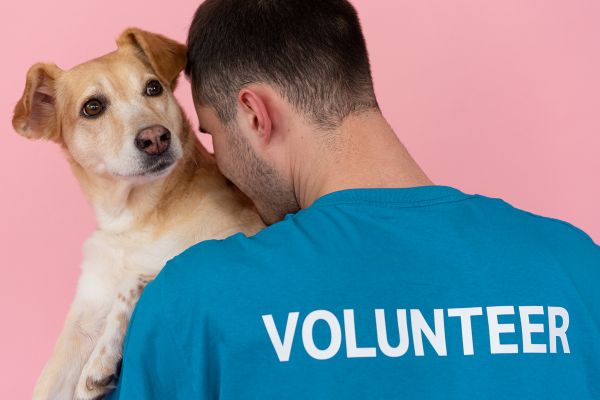
There is a certain kind of person who cannot walk past a frightened stray, a crowded shelter, or a story about an abandoned pet without feeling the need to do something. That feeling is often where volunteering begins. It may start quietly, with a simple thought: maybe I could help. For many animal lovers, that thought becomes a meaningful part of life.
Learning how to become an animal rescue volunteer is not about having perfect experience or a professional background in animal care. Most rescue organizations welcome people who are patient, dependable, and willing to learn. What matters most is showing up with the right attitude, understanding the responsibility involved, and respecting the animals as individuals, not just as causes.
Animal rescue work can be emotional, practical, messy, joyful, and sometimes heartbreaking. It is not always the soft, picture-perfect version people imagine. But for those who are ready for the reality of it, volunteering can be one of the most rewarding ways to spend time.
Understanding What Animal Rescue Volunteers Really Do
Animal rescue volunteering covers much more than cuddling puppies or feeding kittens, although those moments do happen. Rescue work is built around daily care, safety, patience, and consistency. Volunteers may help clean kennels, walk dogs, socialize shy cats, prepare food, organize donations, transport animals, support adoption events, or assist with basic administrative tasks.
Some volunteers work directly with animals. Others help behind the scenes. Both roles matter. A clean blanket, a calm car ride to the vet, or a well-written adoption profile can change an animal’s chances of finding a safe home.
Before applying, it helps to understand that animal rescue is not always easy. Shelters and rescue groups often care for animals who have been neglected, abandoned, injured, or poorly socialized. Some animals are scared. Some are noisy. Some need time before they trust anyone. A good volunteer does not take this personally. They learn to move slowly, listen carefully, and follow guidance from trained staff.
Start by Looking for Local Rescue Organizations
The first step is to find rescue organizations in your area. These may include animal shelters, private rescue groups, foster-based rescues, wildlife rehabilitation centers, farm sanctuaries, or community animal welfare programs. Each one works differently, so it is worth exploring more than one option.
A city animal shelter may need regular help with cleaning, dog walking, and adoption support. A foster-based rescue may need transport volunteers, temporary foster homes, or help managing supplies. A wildlife center may require special training and stricter safety rules. A farm sanctuary may involve physical outdoor work, such as cleaning barns and preparing feed.
When researching, look for organizations that explain their volunteer process clearly. A responsible rescue will usually have an application, orientation, safety rules, and expectations for conduct. This structure protects both volunteers and animals.
Choose the Type of Volunteering That Fits You
Not every volunteer role suits every person, and that is perfectly fine. The best role is the one you can do consistently and responsibly. If you are active and comfortable around dogs, walking or enrichment duties may be a good match. If you are gentle and patient, socializing nervous cats might suit you better. If you drive, animal transport could be valuable. If you prefer quieter work, donation sorting, email support, photography, or adoption profile writing may be a better fit.
Some people want hands-on contact immediately, but rescue organizations often start new volunteers with basic tasks first. This is not a bad thing. Cleaning, laundry, and organizing supplies are part of the foundation of animal care. They may not look exciting, but they create a healthier environment for animals who are already under stress.
It is also important to be honest about your emotional limits. Animal rescue can bring you close to difficult stories. You may meet animals who are sick, frightened, or slow to recover. Choosing a role that fits your personality helps you stay useful without becoming overwhelmed.
Complete the Volunteer Application Carefully
Most rescue organizations ask potential volunteers to complete an application. This may include your availability, experience with animals, age, emergency contact information, and the type of work you are interested in doing. Some places may also ask about allergies, physical limitations, or comfort around certain animals.
Take the application seriously. You do not need to exaggerate your experience. In fact, honesty is better. If you have never handled large dogs, say so. If you are nervous around certain animals, mention it. Rescue staff can place you in a safer and more suitable role when they know your real comfort level.
Some organizations also require background checks, especially if volunteers work with the public, enter private homes for foster checks, or handle sensitive information. This is a normal part of responsible volunteer management.
Attend Orientation and Training
Orientation is where you begin to understand how the organization works. You may learn about animal handling, cleaning procedures, disease prevention, volunteer schedules, emergency rules, and the rescue’s approach to adoption or rehabilitation. Even if you have owned pets for years, it is still important to listen closely.
Caring for rescue animals is not the same as caring for your own pet at home. A shelter dog may react differently to noise, strangers, or other animals. A cat recovering from stress may need space instead of attention. A rescued rabbit, bird, or farm animal may have very specific needs. Training helps you avoid mistakes that could put animals, staff, or yourself at risk.
Good volunteers do not rush this stage. They ask questions, observe experienced handlers, and accept correction without embarrassment. Everyone starts somewhere, and willingness to learn is one of the most valuable qualities in rescue work.
Learn the Importance of Patience and Routine
Animals in rescue environments often depend on routine. Feeding times, cleaning schedules, walks, medication support, and quiet socialization all help reduce stress. As a volunteer, being reliable matters more than doing something dramatic.
If you commit to a shift, try to keep it. Rescue teams plan around volunteer support, and animals benefit from familiar routines. A dog who expects a morning walk or a cat who slowly warms up to the same gentle visitor may be affected when people disappear without notice.
Patience is just as important. Some animals may not respond to you right away. A scared dog may hide at the back of a kennel. A cat may hiss before learning you are safe. A neglected horse may take months to trust human touch. Animal rescue volunteering teaches you not to force connection. You offer safety, consistency, and calm presence, then let the animal move at its own pace.
Respect Boundaries and Safety Rules
Every rescue organization has rules, and they are there for a reason. Volunteers may be told not to enter certain kennels, not to feed animals without permission, not to introduce animals to each other, or not to post photos before approval. These rules are not meant to make volunteering less enjoyable. They protect animals who may have medical, behavioral, or legal concerns.
It is also important to respect emotional boundaries. Volunteers sometimes become attached to animals, which is natural. But rescue work requires trust in the process. Staff members may make decisions based on medical records, behavior assessments, or adoption policies that volunteers do not fully see. Asking respectful questions is fine. Ignoring rules because you feel strongly is not.
A safe volunteer is calm, observant, and careful. They understand that love for animals must be matched with discipline.
Consider Fostering When You Are Ready
For some people, volunteering eventually leads to fostering. Fostering means caring for an animal temporarily until adoption or another placement becomes available. It can be deeply rewarding because it gives animals a home environment rather than a kennel or cage.
Fosters may care for orphaned kittens, pregnant cats, recovering dogs, senior pets, or animals who need socialization. The role can be emotional, especially when the animal leaves for a permanent home. Still, many fosters describe it as one of the most direct ways to save lives.
You do not have to foster right away. In fact, it is often better to gain experience first. Understanding animal behavior, rescue expectations, and your own limits will help you decide if fostering is realistic for your household.
Keep Learning as You Volunteer
The best animal rescue volunteers continue learning over time. They read about animal behavior, observe body language, understand stress signals, and become more confident in safe handling. They also learn from mistakes. Rescue work has a way of humbling people, even those with years of pet experience.
You may discover interests you did not expect. Maybe you enjoy helping shy animals become adoptable. Maybe transport work fits your schedule. Maybe you are good at talking with potential adopters. Maybe your strongest contribution is organizing supplies so staff can focus on urgent care.
Volunteering does not have to look one specific way to matter. The goal is to support the rescue mission in a way that is useful, respectful, and sustainable.
Conclusion
Becoming an animal rescue volunteer is not about being a hero. It is about becoming part of a steady chain of care. Every cleaned kennel, every patient walk, every safe transport, every quiet moment with a frightened animal adds up. The work can be tiring, and sometimes it will touch your heart in difficult ways, but it also offers a rare kind of purpose.
If you are wondering how to become an animal rescue volunteer, start close to home, choose a role you can truly commit to, and enter with humility. Animals do not need perfect people. They need dependable ones. They need people willing to learn, listen, and keep showing up. That is where real rescue work begins.
