

Bringing home a shelter pet is one of those decisions that feels both exciting and deeply meaningful. There is the joy of imagining a dog curled up near the sofa, a cat exploring a sunny windowsill, or a once-nervous animal slowly learning that it is safe. But before that first quiet evening at home, there is a process. And for many first-time adopters, the adoption process at animal shelters can feel a little unfamiliar.
Some people walk into a shelter expecting to choose a pet and leave the same day. Sometimes that happens, depending on the shelter and the animal. Other times, there are applications, conversations, waiting periods, introductions, and follow-up steps. At first, it may seem like a lot. But the purpose is not to make adoption difficult. The purpose is to make it thoughtful.
Animal shelters are not simply handing over pets. They are trying to create lasting matches between animals and people. A good adoption process protects the animal, supports the adopter, and gives both a better chance at a stable future together.
Why Shelters Have an Adoption Process
Every animal in a shelter has a story, even when no one knows all the details. Some were found wandering streets. Some were surrendered because their owners could no longer care for them. Others came from neglectful homes, emergency situations, or overcrowded environments. By the time they reach a shelter, many animals have already been through change, stress, or loss.
This is why shelters take adoption seriously. They want to understand whether a potential adopter can meet the animal’s needs, not only on the first happy day, but months and years later. A young energetic dog may need training, exercise, and patience. A senior cat may need a quieter home. A rabbit, bird, or guinea pig may require specific care that not every household expects.
The adoption process also helps reduce the chance of animals being returned. Returns can be emotionally hard on both the animal and the adopter. Sometimes they happen for unavoidable reasons, but many can be prevented with honest conversations and realistic expectations before adoption.
In that sense, the process is less like a test and more like a guided decision. A shelter’s job is to ask the questions that excitement sometimes forgets.
The First Step Is Usually Research
Before visiting a shelter, many people begin online. Most shelters post available animals on their websites or social media pages, often with photos, age estimates, personality notes, and basic medical information. These profiles are helpful, but they are only a starting point.
A photo can make someone fall in love quickly, especially when an animal has soft eyes or a charming expression. Still, the best match is not always the cutest photo. It is the animal whose needs fit your home, routine, energy level, and experience.
Research also means learning about the shelter itself. Some shelters allow walk-in visits. Others require appointments. Some process applications before meet-and-greets, while others invite people to visit first. Adoption fees, required documents, and approval timelines can also vary.
Taking a little time to understand these details can make the visit smoother. It also helps adopters arrive with realistic expectations rather than feeling surprised by normal shelter procedures.
Meeting the Animals in Person
The shelter visit is often the most emotional part of the process. Walking past kennels or cat rooms can be overwhelming. There may be barking, meowing, movement, and many animals looking for attention. It is natural to want to help all of them at once.
Still, choosing a pet requires calm observation. Shelter animals do not always show their full personality in that environment. A dog may bark in a kennel but become gentle in a quiet meeting room. A cat may hide at first but warm up slowly with patience. Stress can make animals appear more energetic, more withdrawn, or more uncertain than they might be in a home.
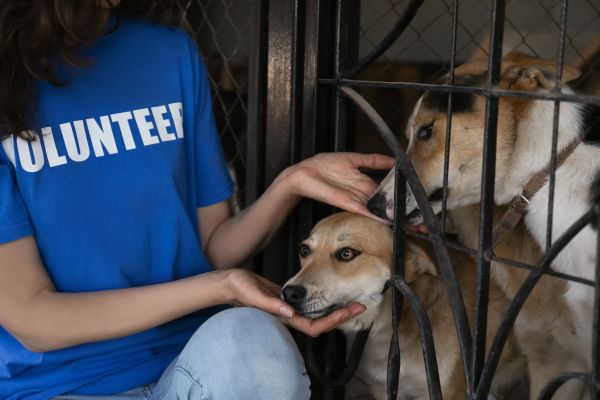
Shelter staff and volunteers can be especially helpful here. They often know which animals enjoy children, which ones need other pets avoided, which are shy at first, and which need active owners. Their experience can reveal details that are not obvious during a short visit.
This is one reason the adoption process at animal shelters usually includes conversation. Staff members are not only asking questions. They are also listening for the kind of animal that may truly fit your life.
Filling Out the Adoption Application
Most shelters ask potential adopters to complete an application. The form may ask about your living situation, work schedule, pet experience, family members, other animals in the home, and plans for veterinary care. Some shelters also ask whether you rent or own your home, and renters may need permission from a landlord.
These questions can feel personal, but they serve a practical purpose. A shelter needs to know whether the animal will be allowed where you live, whether the home environment is suitable, and whether everyone in the household is prepared for the responsibility.
For example, a large active dog may not be the best fit for someone who is rarely home and has no time for walks or training. A fragile senior pet may need a calmer household. A cat that dislikes other cats may need to be the only feline in the home. These details matter.
Honesty is important during the application. Adopters sometimes worry that admitting they work long hours or have never had a pet before will automatically disqualify them. Usually, it does not. It simply helps the shelter guide them toward the right match.
The Meet-and-Greet Stage
After an application is reviewed, many shelters arrange a meet-and-greet. This may happen before or after approval, depending on the organization. For dogs, the meeting might take place in a room, yard, or outdoor area where the dog can interact more naturally. For cats, it may involve sitting quietly and allowing the cat to approach at its own pace.
If you already have a dog at home, the shelter may ask you to bring your dog for an introduction. This is a useful step because not all dogs get along immediately, and some pairings are not safe or comfortable. A controlled introduction allows staff to watch body language and help determine whether the match has potential.
Family members may also be encouraged to meet the animal. This is especially important when children are involved. A pet must be comfortable with the household, and the household must understand how to interact respectfully with the pet.
The goal is not to force instant affection. Some of the best adoptions begin quietly. A shy animal may not climb into your lap right away. A nervous dog may need space. What matters more is whether the interaction shows promise and whether the adopter is prepared to give the animal time.
Adoption Fees and What They Often Cover
Adoption fees vary widely, but they usually help cover part of the animal’s care. In many shelters, the fee may include vaccinations, spay or neuter surgery, microchipping, deworming, flea treatment, basic health checks, or other services. The fee rarely covers the full cost of caring for the animal before adoption.
Some people wonder why shelters charge at all. But responsible animal care is expensive. Food, medical treatment, cleaning, staffing, transport, and daily operations all cost money. Adoption fees also help shelters continue caring for animals still waiting for homes.
It is useful to think of the fee not as buying a pet, but as contributing to the care already given and the care still needed by others. Compared with the cost of arranging initial veterinary services independently, adoption fees are often quite reasonable.
Final Approval and Bringing the Pet Home
Once the shelter approves the adoption, there may be paperwork to complete. This usually includes an adoption agreement, medical records, microchip details, and care instructions. Some shelters provide guidance on feeding, introductions, training, and the adjustment period.
The first few days at home are important. Even a friendly animal may feel confused after leaving the shelter. New smells, rooms, people, sounds, and routines can be a lot to absorb. Many pets need time to decompress.
For dogs, it helps to keep the first days calm and structured. Short walks, quiet spaces, and predictable routines can make the transition easier. For cats, a smaller starter room with food, water, litter, and hiding spots often works better than immediate access to the whole home. Small animals also need carefully prepared housing before arrival.
The adoption is not truly complete the moment the pet enters the house. In many ways, that is when the real relationship begins.
After Adoption Support and Follow-Up
Some shelters check in after adoption to see how things are going. This should not be seen as interference. It is part of responsible placement. New adopters may have questions about feeding, behavior, training, or introductions with other pets. A simple conversation can prevent small issues from becoming bigger problems.
Adjustment takes time. A pet may not eat normally right away. A dog may have accidents indoors. A cat may hide under furniture. These behaviors do not always mean the adoption is failing. Often, they mean the animal is still settling in.
Patience is one of the most important parts of adopting from a shelter. Animals do not understand that they have been “rescued” in the way humans understand it. They learn safety through routine, gentle handling, and repeated positive experiences.
A Thoughtful Path to a New Beginning
The adoption process at animal shelters exists because animals deserve more than a quick decision made in a moment of emotion. They deserve homes that are ready for them, and adopters deserve guidance that helps them choose wisely.
While every shelter has its own way of handling applications, visits, fees, and final approval, the heart of the process is usually the same. It is about understanding the animal, understanding the adopter, and finding the place where those two lives can meet in a healthy way.
Adoption is not only about opening a door and bringing a pet inside. It is about making room in daily life for another living being, with all its needs, habits, fears, and small joys. When approached with patience and care, the process becomes more than paperwork. It becomes the beginning of trust, and for many shelter animals, that trust is the first real step toward home.
