

The way humans treat animals says a great deal about the kind of society we are trying to build. Animals share our homes, work beside us, appear in our food systems, live in laboratories, and exist in natural environments increasingly shaped by human activity. Yet the moral responsibility attached to these relationships is often overlooked.
The ethical treatment of animals is not limited to avoiding obvious cruelty. It involves thinking seriously about how animals experience pain, fear, comfort, stress, companionship, and freedom. It also asks whether human convenience should always take priority over the needs of other living beings.
These questions can feel uncomfortable because they touch everyday habits. They relate to what we eat, what we wear, how we care for pets, which attractions we visit, and which products we buy. Still, the subject does not need to begin with guilt. It can begin with awareness.
What Ethical Treatment of Animals Really Means
Ethical treatment means recognizing that animals are sentient beings rather than objects. Sentience is the capacity to experience sensations and emotions, including pain, pleasure, anxiety, and contentment. Once this is acknowledged, the way animals are treated becomes a moral issue rather than simply a practical one.
At a basic level, ethical care requires adequate food, clean water, shelter, medical attention, and protection from unnecessary suffering. However, an animal can have its physical needs met and still experience poor welfare.
A dog kept alone for long periods may be well fed but emotionally distressed. A wild animal in captivity may receive veterinary care while being unable to roam, hunt, hide, or interact naturally. Farmed animals may survive in controlled environments but have little space to move or express normal behavior.
Ethical treatment therefore looks beyond survival. It considers whether an animal can experience a life that is reasonably safe, healthy, and suited to its nature.
Why Animal Sentience Changes the Conversation
For centuries, animals were often described as creatures driven mainly by instinct. Modern understanding of animal behavior paints a much richer picture. Many animals form social bonds, remember past experiences, solve problems, communicate, and react emotionally to their surroundings.
Anyone who has lived with a cat or dog has probably seen this firsthand. Pets show excitement when a familiar person returns, fear during thunderstorms, frustration when ignored, and comfort when they feel safe. Similar emotional responses appear across many species, although they may be expressed differently.
Pigs are curious and socially aware. Elephants form lasting family bonds. Birds can learn, remember faces, and use tools. Cattle develop preferences and friendships. Even animals that humans tend to view as less expressive can respond strongly to pain and stressful conditions.
Recognizing these abilities does not mean animals are identical to humans. They are not. It means their experiences matter to them, and that fact should influence human decisions.
Ethical Care Begins With Companion Animals
For many people, the most direct relationship with animals begins at home. Dogs, cats, birds, rabbits, and other companion animals depend heavily on their owners. They cannot choose their living environment, arrange medical care, or leave when their needs are ignored.
Responsible ownership involves more than affection. Pets need suitable nutrition, exercise, stimulation, social interaction, grooming, preventive healthcare, and a secure environment. Different species and breeds have different needs, and those needs should be researched before an animal is brought home.
Ethical problems often arise when pets are chosen mainly for appearance or convenience. A highly active dog may struggle in a home where no one has time for regular walks. An exotic animal may be purchased without an understanding of its diet, temperature requirements, lifespan, or social behavior.
Abandonment is another serious concern. Pets are sometimes surrendered when they grow larger, become expensive, develop behavioral problems, or no longer fit the owner’s lifestyle. Ethical ownership means considering the full commitment before adoption, not only the enjoyable early stages.
The Difficult Questions Surrounding Farmed Animals
Food production is one of the largest and most complicated areas in discussions about animal ethics. Billions of animals are raised for meat, dairy products, and eggs, often in systems designed for speed, consistency, and efficiency.
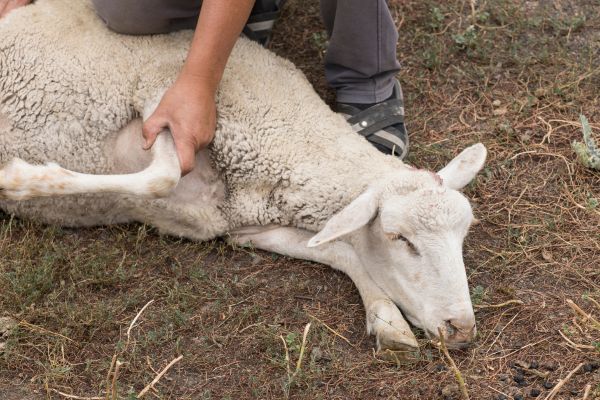
The ethical treatment of animals in agriculture requires more than keeping animals alive until they reach the end of the production cycle. It involves examining how they are bred, housed, handled, transported, and slaughtered.
Crowded housing can restrict movement and increase stress. Selective breeding for rapid growth or high output may contribute to physical problems. Routine procedures may cause pain, especially when performed without adequate relief. Long journeys, extreme temperatures, rough handling, and unfamiliar surroundings can add further distress.
Some farms follow higher welfare standards, allowing more space, outdoor access, enrichment, and careful handling. These improvements matter. However, ethical debate continues over whether better conditions are enough or whether using animals for food is itself morally questionable.
There is no single answer accepted by everyone. Still, informed consumers can ask more thoughtful questions instead of assuming all products are produced under similar conditions.
Animals in Research and Testing
Scientific and medical research has historically relied on animals to study diseases, test chemicals, evaluate medicines, and understand biological processes. Supporters argue that some animal research has contributed to medical progress and remains difficult to replace in certain fields.
Critics point to the pain, confinement, fear, and death involved. They also question whether results from one species always translate accurately to another.
An ethical approach to animal research is often based on three principles: replacing animals where alternatives exist, reducing the number used, and refining procedures to minimize distress. New methods such as computer modeling, cell-based testing, organ-like laboratory systems, and advanced imaging may reduce the need for animal experiments in some areas.
The central ethical question is not simply whether research has a useful purpose. It is whether the expected benefit justifies the harm, whether the work could be done differently, and whether animals receive meaningful protection throughout the process.
Entertainment Should Not Come at the Cost of Welfare
Animals have long been used in circuses, tourist attractions, racing, film, performances, and public exhibitions. These activities may appear entertaining from the audience’s perspective, while the animal’s experience remains hidden.
Training methods, transportation, noise, confinement, unnatural routines, and constant exposure to crowds can all affect welfare. Wild animals may find captivity especially difficult because their natural behaviors require space, choice, and complex environments.
Not every interaction between humans and animals is automatically harmful. Well-run sanctuaries, rehabilitation centers, and conservation programs can provide valuable care and education. The difference often lies in whether the institution prioritizes animal needs or uses animals mainly as props for entertainment.
Visitors can look beyond attractive advertising and ask practical questions. Are animals allowed to retreat from public view? Are performances based on natural behavior or forced tricks? Is physical contact controlled? Does the facility breed animals unnecessarily? Transparency is usually a good sign, while vague answers should raise concern.
Wildlife Deserves Ethical Consideration Too
Ethical responsibility does not end with animals under direct human care. Wildlife is affected by habitat destruction, pollution, climate pressures, hunting, illegal trade, urban development, and plastic waste.
People sometimes imagine wildlife protection as something that happens only in distant forests or oceans. In reality, everyday decisions also shape local ecosystems. Litter can injure birds and marine animals. Pesticides may harm insects and other species. Feeding wildlife can create dependence, spread disease, or change natural behavior.
Respecting wild animals often means leaving them wild. Young animals should not be removed simply because they appear alone. Nests and habitats should not be disturbed for photographs. Injured wildlife should be handled by trained rescuers rather than treated as temporary pets.
Ethical treatment in nature involves reducing unnecessary interference while protecting the conditions animals need to survive.
The Role of Laws and Personal Responsibility
Animal protection laws can establish minimum standards, prohibit cruelty, and create penalties for neglect. They are essential, but laws are often limited by weak enforcement, narrow definitions, or exemptions for certain industries.
Something can also be legal without being ethical. A housing system, training practice, or breeding method may meet official standards while still causing avoidable distress. This is why personal responsibility matters alongside regulation.
Consumers, pet owners, farmers, scientists, lawmakers, and businesses all influence animal welfare in different ways. Individual choices may seem small, but they help shape expectations. People can learn how products are made, adopt animals responsibly, avoid attractions linked to exploitation, report cruelty, reduce waste, and support stronger welfare standards.
The aim is not to create an impossible standard of moral perfection. It is to make more informed choices when realistic alternatives are available.
Compassion Is More Useful Than Judgment
Discussions about animals can quickly become confrontational. People have different cultural traditions, financial circumstances, occupations, and levels of access to information. Harsh judgment may cause them to become defensive rather than reflective.
Compassionate conversation does not mean ignoring suffering. It means presenting the issue honestly while recognizing that meaningful change often happens gradually.
Someone may begin by improving the care of a pet, reducing animal-based foods, choosing cruelty-free products, or refusing to visit an exploitative attraction. Another person may work within agriculture or research to improve standards from the inside.
Progress can take many forms. The important thing is that concern leads to action rather than remaining a vague feeling.
Building a More Respectful Relationship With Animals
The ethical treatment of animals begins with a simple realization: animals experience the consequences of human choices. They may not understand our laws, industries, traditions, or economic systems, but they feel what happens to their bodies and environments.
Treating animals ethically requires us to look beyond convenience. It means providing good care, questioning harmful practices, supporting better standards, and reducing suffering wherever possible. It also requires humility, because humans are still learning about the emotional and social lives of other species.
A more respectful relationship with animals will not be created through one law, one lifestyle, or one perfect decision. It will be built through steady awareness and ordinary acts of responsibility. When compassion becomes part of how we live rather than an occasional reaction to cruelty, ethical treatment stops being an abstract idea. It becomes a practical way of sharing the world.
