

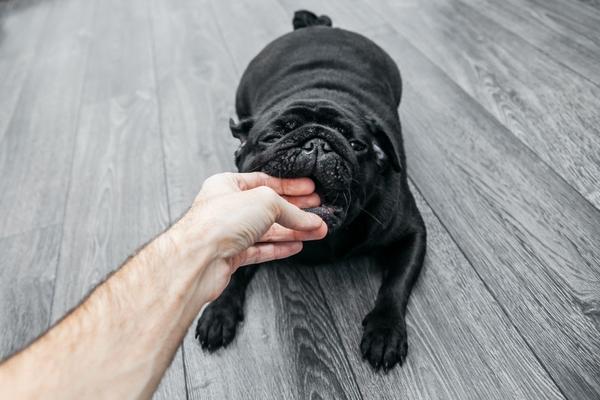
If you’ve ever looked down at your hand and wondered how it turned into a chew toy, you’re not alone. Puppy biting is one of the most common—and most frustrating—challenges new dog owners face. Those needle-sharp teeth seem to find every inch of exposed skin, and just when you think you’ve made progress, your puppy is back at it during the next play session. The good news is that puppy nipping is completely normal, and with the right approach, it’s very fixable.
This guide walks you through eight proven techniques to stop puppy biting, along with the reasoning behind why each one works. Whether you’re dealing with a teething puppy going through a rough biting phase or just want to build better bite inhibition training habits early, these methods are gentle, effective, and backed by how dogs naturally learn.
Why Do Puppies Bite in the First Place?
Before jumping into solutions, it helps to understand what’s actually going on. Puppies explore the world with their mouths the same way toddlers explore with their hands. Biting is how they investigate textures, play with littermates, and—especially between three and six months old—cope with the discomfort of teething.
In a litter, puppies learn bite inhibition from their mother and siblings. When one puppy bites too hard, the other yelps and stops playing. That feedback loop teaches them how much pressure is too much. Once a puppy comes home with you, it’s your job to continue that lesson. This is why punishment-based approaches often backfire—they interrupt the learning process instead of guiding it.
1. Redirect to Appropriate Chew Toys
The moment your puppy starts mouthing your hands, fingers, or clothing, calmly swap in a chew toy instead. This teaches them what is okay to bite without making a big scene out of the behavior. Keep a few toys within arm’s reach around the house so you’re never caught without a substitute.
For a teething puppy, textured or rubber toys that can be chilled in the freezer are especially soothing, since the cold helps numb sore gums while satisfying the urge to chew.
2. Use the Yelp-and-Withdraw Method
This technique mimics what puppies experience with their littermates. When your puppy bites too hard, let out a short, high-pitched “ow!” and immediately stop playing for 10 to 20 seconds. Turn away or briefly leave the room if needed.
The goal isn’t to scare your puppy—it’s to communicate that biting ends the fun. Most puppies pick up on this pattern within a few days of consistent repetition, and it’s one of the most natural forms of bite inhibition training because it speaks the puppy’s own language.
Keep Your Reaction Consistent
Every family member should respond the same way. If one person yelps and another laughs it off or roughhouses without limits, your puppy will get mixed signals and take longer to learn.
3. Avoid Rough Hand Play
It’s tempting to wrestle with a puppy using bare hands, especially when they’re small and seem harmless. But this teaches them that hands are toys, which makes puppy nipping worse over time. Stick to toys, tug ropes, or interactive games that don’t involve your skin as the target.
4. Give Frequent Breaks During Play
Overtired or overstimulated puppies bite more. If your puppy starts getting mouthy during a play session, that’s often a sign they need a short timeout rather than more stimulation. A few minutes in a quiet space or a crate with a chew toy can help them reset.
5. Manage Teething Discomfort
Since a large portion of biting behavior is tied to teething, addressing the physical discomfort directly can reduce how often your puppy nips. Frozen washcloths, specially designed teething toys, and even gentle gum massages can offer relief.
Teething typically lasts until around six months of age, so patience is key. Biting driven by sore gums tends to fade naturally once adult teeth come in, especially when paired with consistent training in the meantime.
6. Teach an “Off” or “Leave It” Cue
Training a simple verbal cue gives you a tool to interrupt biting before it escalates. Start by saying “off” in a calm, firm voice whenever your puppy makes contact with your hand, then immediately offer a toy or treat as a reward for disengaging.
With repetition, your puppy will start to associate the word with stopping the current behavior, which becomes incredibly useful well beyond just biting.
7. Reward Calm, Gentle Behavior
Positive reinforcement works faster than correction alone. When your puppy plays gently or licks instead of bites, praise them or offer a small treat. This reinforces the behavior you want to see more of, rather than only reacting to what you don’t want.
Catching your puppy being good, even briefly, and rewarding it consistently is one of the fastest ways to shape long-term behavior.
8. Stay Consistent and Patient
No single technique works overnight. Puppy biting typically improves gradually over several weeks as your puppy matures and learns better impulse control. Consistency across every interaction—from every family member to every play session—is what makes the difference between a puppy that keeps biting and one that grows out of it smoothly.
If biting seems unusually aggressive, doesn’t improve with training, or is accompanied by other concerning behaviors, it’s worth consulting a professional trainer or your veterinarian to rule out underlying issues.
Frequently Asked Questions
At what age do puppies usually stop biting?
Most puppies significantly reduce biting between six and eight months old, once their adult teeth have fully come in and consistent training has reinforced better habits. Some individual variation is normal depending on breed and temperament.
Is it normal for puppies to bite a lot during teething?
Yes. Increased biting is one of the most common signs of teething, which usually starts around three months and continues until roughly six months of age. Providing appropriate chew toys during this period can significantly reduce nipping.
Should I ever use punishment to stop puppy biting?
Physical punishment or yelling is not recommended. It can create fear or anxiety without effectively teaching bite inhibition, and may even increase biting in some puppies as a stress response. Redirection and positive reinforcement are far more effective long-term.
What if my puppy bites harder when I yelp?
Some puppies get more excited by a yelp, especially if they interpret it as part of the game. If this happens, switch to calmly withdrawing attention and ending playtime immediately instead of vocalizing, and try again once your puppy is calmer.
Final Thoughts
Puppy biting can feel relentless in the moment, but it’s a normal, temporary stage rather than a sign of a “bad” dog. By redirecting to appropriate toys, mimicking natural litter feedback, managing teething discomfort, and staying consistent with training, most puppies learn proper bite inhibition well before they reach adulthood. Stick with these techniques patiently, and those sharp little teeth will soon be a distant memory.
