

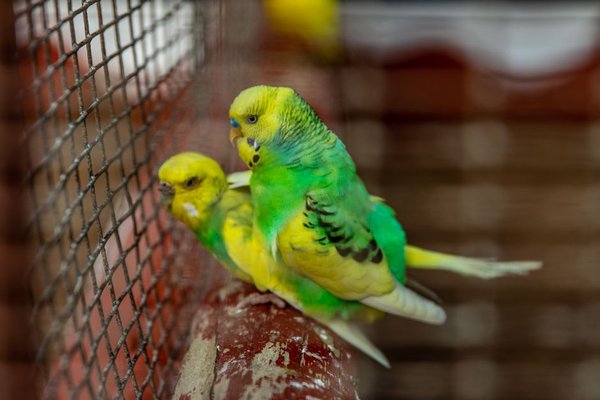
Bringing home a budgie is exciting, but the first few days can also feel uncertain. These small parrots are active, social, observant animals, and good care is less about buying lots of accessories than creating a safe routine they can trust. Focus first on a roomy cage, balanced food, regular social contact, daily exercise, and enough quiet sleep. Get those foundations right and taming, training, and everyday care become much easier.
Build a Safe, Comfortable Cage Setup
A good budgie cage setup gives your bird room to climb, hop, stretch, and flap. Bigger is generally better, especially when the cage is the bird’s main home for much of the day. Choose a rectangular cage with useful horizontal space and place it where the budgie can see normal family activity, away from kitchens, smoke, aerosols, direct drafts, and sudden temperature changes.
Use perches of different diameters and textures. Clean, bird-safe natural wood is useful, while sandpaper perch covers can irritate the feet. Keep droppings away from food and water dishes and leave open space for movement. A swing, chewable toy, and simple foraging toy are enough to begin.
Related guides include safe foods for budgies, choosing bird-safe toys, and signs a bird needs an avian vet.
Feed More Than a Bowl of Seed
Diet is one of the most important parts of parakeet care. Seed mixes are attractive to budgies, but a seed-only diet is nutritionally incomplete and can encourage selective eating. Avian veterinary guidance commonly recommends a formulated pellet as the main food. VCA advises that pellets can make up roughly 60 to 80 percent of a budgie’s diet, with vegetables, greens, and limited fruit adding variety. Seeds are better kept as a smaller part of the diet or used as training rewards.
If your budgie currently eats only seed, do not suddenly remove its familiar food and assume it will eat pellets. Introduce changes gradually and make sure the bird is actually consuming the new food. Wash fresh produce, cut it into suitable pieces, and remove it before it spoils. Fresh, clean water should always be available, and bowls should be washed daily.
Avoid avocado, chocolate, caffeine, alcohol, and very salty or heavily processed foods. Budgies also do not need grit because they remove the outer hull from seeds. When you are unsure about a food, check with an avian veterinarian before offering it.
Meet Your Budgie’s Social Needs
Budgies are flock-oriented birds. A single budgie can do well, but it needs dependable daily interaction. Talk to the bird, sit nearby, offer short training sessions, and include it in calm household activity. Compatible budgies can provide social contact for one another, but they still need enrichment, space, and attentive care.
Handle With Patience, Not Force
New owners often make taming harder by reaching into the cage too quickly. Start by letting the bird learn that your presence predicts calm, safe experiences. Sit beside the cage, speak softly, and move slowly. Once the bird is relaxed around your hand, offer a favorite treat and later practice stepping onto a finger or handheld perch.
For example, if a new budgie backs into the far corner when you open the cage, do not follow it with your hand. Close the door, sit nearby, and try again later from outside the bars with a small reward. That simple choice teaches the bird that you will not chase it. Trust built this way is more useful than forcing a quick step-up.
Provide Exercise and Enrichment Every Day
Budgies are made to move. When it is safe, supervised time outside the cage provides valuable exercise and mental stimulation. Bird-proof the room first: close doors and windows, switch off ceiling fans, keep other pets out, and remove obvious hazards. The cage should remain an easy, familiar place to return for food and rest.
Inside the cage, encourage climbing, chewing, and foraging. Hide a little food in a simple paper-based activity, move a familiar toy, or practice a short training session. Small changes keep the environment interesting without overwhelming a cautious bird.
Protect Quiet Sleep Time
The Association of Avian Veterinarians advises that most companion birds do well with about 10 to 12 hours of sleep a night. A predictable dark, quiet period helps prevent repeated disturbance from televisions, conversations, and household lighting. If the main cage is in a busy room late at night, a separate safe sleeping area may be useful.
A cage cover is optional rather than automatically necessary. What matters is good airflow, a comfortable temperature, darkness, and minimal disturbance. Keep bedtime and morning light reasonably consistent so your budgie develops a stable daily rhythm.
Make Cleanliness and Health Checks Routine
Change dirty cage paper or liner regularly, remove spoiled fresh food promptly, wash food and water dishes daily, and clean perches and cage surfaces before debris builds up. Avoid smoke, strong scented sprays, and cooking fumes around birds. Overheated non-stick cookware can release fumes that are dangerous to pet birds, another reason not to keep the cage in the kitchen.
Learn your bird’s normal appetite, activity, voice, posture, and droppings. Birds can hide illness until they are quite unwell. A sudden drop in appetite, persistent fluffing, unusual inactivity, breathing difficulty, pronounced tail movement with each breath, or a major change in droppings deserves prompt veterinary attention. Establishing an avian veterinarian before an emergency makes future care easier.
A Simple Daily Routine for Beginners
In the morning, refresh food and water, remove overnight mess, and watch the bird briefly. During the day, provide social contact, supervised exercise when possible, and enrichment. In the evening, remove perishable food, settle the room, and provide a predictable sleep period.
Frequently Asked Questions
How often should I clean a budgie cage?
Wash food and water dishes daily, remove spoiled food and heavily soiled liner as needed, and clean perches and cage surfaces regularly. A more thorough clean can follow a routine based on cage size and how quickly it becomes dirty.
Can one budgie live alone?
Yes, but a single budgie needs reliable daily social interaction, enrichment, and activity. Budgies are social birds, so a lone bird should not be expected to thrive with minimal attention.
Should I cover my budgie’s cage at night?
You can, but a cover is not essential if the room is already quiet and dark. If you use one, make sure ventilation remains good and the bird cannot become overheated or trapped in loose fabric.
How long does it take to tame a budgie?
There is no fixed timetable. Some budgies begin taking treats or stepping up within days, while cautious birds may need several weeks or longer. Short, calm sessions and respect for the bird’s body language usually work better than rushing.
Give the Basics Time to Work
Good budgie care for beginners comes down to repeatable habits. Offer a safe, spacious home, improve the budgie diet gradually, protect sleep, provide social contact and exercise, and pay attention to small changes in behavior. Confidence grows through ordinary interactions in which food arrives, the cage stays safe, hands behave predictably, and curiosity is rewarded. Keep those basics consistent and your parakeet has a much stronger foundation for a healthy, engaged life.
