

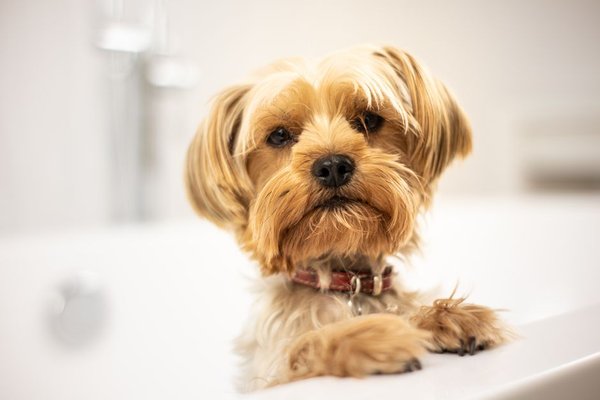
There is no single bathing schedule that suits every dog. A short-coated indoor dog that avoids mud may stay fresh for weeks, while an energetic spaniel that swims, digs and rolls in questionable things may need washing far more often. The practical answer to how often should you bathe a dog is to look at the dog’s coat, skin, lifestyle and health rather than following a rigid calendar.
For most healthy dogs, bathing is needed only when the coat is visibly dirty, feels greasy or develops a noticeable odour. Too little washing can leave dirt and allergens on the coat, but unnecessary baths may remove protective oils and contribute to irritation. A sensible dog bathing frequency keeps the coat clean without turning every speck of dust into bath time.
A general bathing schedule for healthy dogs
Many healthy dogs do well with an occasional bath every few weeks to every few months. Dogs with continuously growing or non-shedding coats are often bathed as part of a grooming appointment, commonly around every six to eight weeks. This is a useful starting point, not a rule for every breed.
A clean-smelling dog with comfortable skin does not need washing simply because a date appears on the calendar. Brushing, wiping muddy paws and rinsing dirt from the coat with lukewarm water can often handle everyday mess without a full shampoo bath.
How coat type changes dog bathing frequency
Short, smooth coats
Dogs with short, smooth coats usually collect less debris and are easy to wipe clean. If they live mostly indoors and have healthy skin, they may need only occasional bathing. Regular brushing or a damp cloth can remove loose hair, dust and light dirt between baths.
Long, curly or non-shedding coats
Long-haired, curly-coated and non-shedding breeds often need more structured grooming. Their coats trap dirt, moisture and tangles, so bathing may form part of a four-to-eight-week routine. Brush out knots before washing because water can tighten mats. Severe matting is best handled by a professional groomer or vet rather than scissors at home.
Double coats and heavy undercoats
Double-coated dogs do not automatically need frequent shampooing. Thorough brushing is often more important for removing loose undercoat. A bath during heavy seasonal shedding can help release loose hair, provided the coat is rinsed and dried properly. Avoid shaving a double coat unless a vet recommends it for a medical reason.
Lifestyle matters as much as breed
An indoor companion and a farm dog may have different grooming needs even if they are the same breed. Dogs that swim, hike, play in mud or spend time in dusty environments usually need more frequent cleaning. A bath is also sensible after a dog rolls in faeces, decaying material or another substance that cannot be brushed away.
Season and weather matter too. Wet winters can mean muddy paws and bellies, while pollen seasons may leave allergens on the coat. You do not always need shampoo: rinsing the affected areas or wiping the coat may be enough. After swimming in seawater or a chlorinated pool, a fresh-water rinse can remove residue.
Skin conditions require a different plan
Dog skin care becomes more individual when itching, allergies, infection, dandruff or excessive oiliness is involved. Some dogs with diagnosed skin disease need medicated baths weekly or on another schedule chosen by a vet. Others may become more irritated if washed too often or with the wrong product.
Speak to a vet if your dog has persistent itching, redness, sores, hair loss, a strong recurring smell or greasy skin. These signs may point to allergies, parasites, yeast, bacteria or another condition requiring diagnosis and treatment, not simply more baths.
Can you bathe a dog too often?
Yes. Frequent shampooing with an unsuitable product can strip oils from the coat and weaken the skin barrier. Warning signs include flaking, increased scratching, redness and a dull or brittle coat. The risk depends on the shampoo, the dog’s skin and how often baths occur.
Always use shampoo formulated for dogs. Human shampoo, including baby shampoo, is designed for human skin and can be too harsh for dogs. Choose a gentle, fragrance-free or hypoallergenic dog shampoo for routine use, and follow veterinary instructions for medicated products. Rinse thoroughly because leftover shampoo can cause irritation.
What about bathing puppies?
Bathing puppies calls for extra care because young puppies can lose body heat quickly and may find the experience frightening. If a puppy is lightly dirty, a warm damp cloth or partial rinse may be enough. If the puppy soils itself, clean it promptly and keep the room warm.
Use lukewarm water, a puppy-safe shampoo when necessary, a non-slip surface and plenty of towels. Keep the bath brief, avoid spraying water into the eyes and ears, and dry the puppy thoroughly. Gentle handling, praise and treats can make early baths a positive part of grooming.
How to give a safe, comfortable bath
Brush the coat first and place a non-slip mat or towel in the bath. Wet the dog with lukewarm water, avoiding the face and ear canals. Massage dog shampoo through the coat, then rinse until the water runs clear and no residue remains. Towel-dry well and keep the dog warm until fully dry. If using a hairdryer, choose low heat and low speed, keep it moving and stop if the dog becomes stressed.
Frequently asked questions
Is once a month too often to bathe a dog?
For many healthy dogs, a monthly bath with gentle dog shampoo is reasonable. A clean indoor dog may need fewer baths, while a dog on a medical shampoo plan may need more. Watch the skin and coat rather than relying on the calendar alone.
Why does my dog still smell after a bath?
A lingering or quickly returning odour can come from damp undercoat, ears, teeth, anal glands or a skin problem. Make sure the coat is rinsed and dried completely. Seek veterinary advice if the smell is unusual or accompanied by itching, redness or discharge.
Should I bathe my dog after every muddy walk?
Usually not. Let the mud dry and brush it out, or rinse the paws and belly with lukewarm water. Use shampoo only when plain water and brushing are not enough.
How often should a dog with allergies be bathed?
Follow the schedule provided by your vet. Depending on the condition and product, medicated bathing may be recommended weekly or at another interval. Do not increase the frequency without advice if the skin becomes dry or irritated.
Finding the right routine
So, how often should you bathe a dog? Bathe a healthy dog when it is genuinely dirty, oily or smelly, and adjust the routine for coat type, activity level and season. Combine sensible bathing with regular brushing, paw cleaning and skin checks. When irritation or recurring odour appears, a veterinary assessment is more useful than simply adding another bath.
