

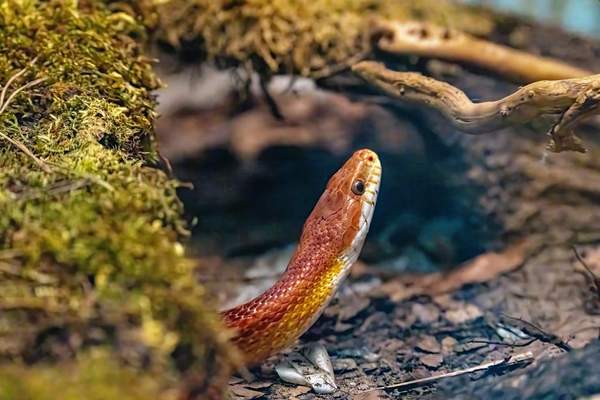
A good reptile enclosure setup is less about filling a tank with decorations and more about giving an animal choices. It should be able to warm up, cool down, hide, explore, drink, and rest without being forced into one set of conditions. A desert lizard, rainforest gecko, and ground-dwelling snake need very different versions of that plan.
Start with the species, not the shopping basket. Confirm its adult size, activity pattern, preferred temperatures, humidity, UVB requirements, and whether it climbs, digs, or swims. Then build the habitat around those needs.
Choose the Enclosure Around the Animal
Floor space matters most to active terrestrial reptiles; vertical space is essential for arboreal species. A hatchling-sized tank can quickly become inadequate. Research adult enclosure dimensions before buying, and choose secure, escape-resistant doors or lids with ventilation.
Glass, PVC, and sealed wooden vivariums have trade-offs. Glass offers visibility but loses heat readily; other materials may make temperature and humidity easier to manage. Place the enclosure away from direct window sunlight, drafts, and household heaters. Sun through glass can overheat a tank without providing useful UVB.
Think of the layout as a map of destinations: warm basking space, a cooler retreat, sheltered resting places, and routes between them.
Build a Safe Reptile Heating Setup
Most reptiles depend on external heat to regulate body temperature. Their enclosure should offer a species-appropriate gradient so they can move between warmer and cooler areas. Heating the whole habitat to basking temperature removes that choice.
Control the Heat, Then Measure It
Position heating equipment toward one end, following the species’ needs and the manufacturer’s instructions. Use a compatible thermostat, and protect the animal from direct contact with hot bulbs or fixtures. Avoid heated rocks, which can cause burns.
Put digital thermometer probes in useful warm and cool positions. An infrared temperature gun can check basking surfaces, but it does not replace air-temperature measurements. Check nighttime temperatures too: some species need a controlled drop, while others require supplemental heat without visible light.
Never assume one universal basking temperature. A bearded dragon and a crested gecko need substantially different thermal arrangements. The correct figures belong in a species-specific care plan.
Give Lighting Its Own Plan
Heat and light are related but not interchangeable. Reptiles benefit from a consistent day-night cycle. UVB is particularly important for many lizards and turtles because it supports vitamin D synthesis and calcium metabolism.
Choose reptile-rated UVB lighting appropriate to the species, enclosure height, and basking area. Glass and most plastics block useful UVB; mesh can reduce its intensity. Follow the lamp manufacturer’s distance and replacement guidance rather than assuming a glowing bulb still delivers adequate UVB.
Include shaded areas so the animal can escape intense light. Avoid colored nighttime bulbs when darkness is needed; use a suitable lightless heat source if overnight heating is necessary. For equipment choices, see our reptile UVB lighting guide.
Match Substrate to Moisture and Behavior
Substrate is more than flooring. It can support digging, retain moisture, provide traction, and make waste easier to spot. Its suitability depends on species, age, health, feeding habits, and humidity needs.
Paper towels or unprinted paper work well during quarantine or health monitoring because droppings are easy to inspect. Suitable soil-based or other reptile-safe loose substrates can support natural digging once the enclosure is properly designed. Moisture-retaining materials help some species, but perpetually wet bedding creates hygiene problems.
Avoid sharp gravel, dusty or strongly scented bedding, and small particles likely to be swallowed. Neither loose substrate nor solid flooring is automatically right for every animal. Our choosing reptile substrates guide can help narrow the options.
Make Hides, Climbing Areas, and Water Functional
Reptile hides provide security, not just decoration. For many terrestrial species, supply snug retreats on the warmer and cooler sides. A humid hide can help animals that need a damp microclimate for shedding. Keep it moist rather than waterlogged.
Add sturdy branches, ledges, cork bark, or digging areas according to natural behavior. Secure heavy rocks so they cannot shift onto a burrowing animal. Give climbing reptiles stable routes without risky leaps, and keep access to temperature zones clear.
Fresh water is another reptile habitat essential. A stable bowl suits many species; some arboreal reptiles use droplets or drip systems. Aquatic turtles need a different water-and-basking arrangement, including appropriate filtration. A decorative dish cannot replace species-specific water provision.
Manage Humidity Without Blocking Ventilation
A hygrometer lets you monitor humidity, but its reading matters only beside a species-specific target. Some reptiles need relatively dry air with a damp hide; others require higher overall humidity and drinking droplets.
Adjust moisture through substrate, water placement, plants, or careful misting. Do not seal ventilation openings simply to trap humidity. Stagnant damp conditions can encourage mold and contribute to health problems. Watch how long surfaces stay wet, not just the gauge reading.
Test the Habitat Before Your Reptile Arrives
Try this practical reptile terrarium setup check: run the finished, empty enclosure through at least one full day-night cycle, preferably longer. Log warm-side air temperature, basking surface temperature, cool-side reading, nighttime low, and humidity. Adjust equipment before introducing the animal.
If the cool retreat is nearly as warm as the basking spot, moving a hide will not solve the real problem. Reconsider heater placement, wattage, ventilation, or enclosure size. Test again after any substantial change.
Once occupied, remove waste and uneaten food promptly, refresh water, and clean soiled surfaces safely. Wash hands after handling reptiles or habitat equipment: apparently healthy reptiles can carry Salmonella. Log temperatures, feeding, shedding, and behavior. For specific arrangements, consult our bearded dragon enclosure guide or the guide for your reptile.
Frequently Asked Questions
What matters most in a reptile enclosure setup?
Species-appropriate conditions come first. Safe temperature ranges, heating, lighting, humidity, space, and secure hides matter more than accessories.
Do all reptiles need UVB lighting?
UVB is essential for many species and may benefit others, but intensity and exposure requirements differ. Follow a current species-specific recommendation rather than using one lamp arrangement for every reptile.
How many hides should a reptile have?
Many terrestrial reptiles benefit from warm-side and cool-side hides, plus a humid retreat where needed. Arboreal and aquatic animals require shelter suited to their environment.
Can I build the enclosure on arrival day?
Test it in advance. A complete day-night cycle can reveal heating, humidity, or equipment problems before an animal depends on the habitat.
Bring the Zones Together
The strongest reptile enclosure setup gives the animal control over its surroundings. Choose a secure enclosure; establish a measurable heat gradient; add appropriate lighting, substrate, reptile hides, enrichment, and water; then test and maintain those conditions. Good husbandry begins with the species, not a one-size-fits-all kit.
