

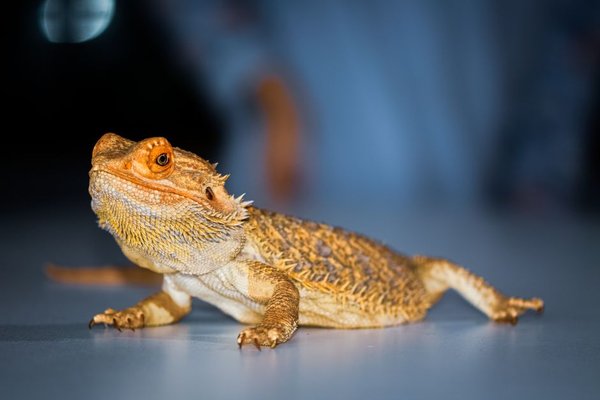
Reptiles rarely announce that something is wrong. A bearded dragon may sit quietly for longer than usual, while a snake may stop exploring or a tortoise may gradually lose weight. Because many reptiles conceal weakness, a reptile vet visit is often most useful before a small change becomes a serious problem. Knowing which signs need urgent attention, what to bring, and what an appointment involves makes that decision easier.
When Does a Reptile Need a Vet?
Start with your animal’s normal routine. Appetite, movement, body weight, shedding, droppings and basking habits differ by species, age and season. One missed meal does not always mean illness, particularly for some adult snakes. However, a change accompanied by weight loss, unusual behavior or other symptoms deserves a call to a reptile veterinarian.
Contact a reptile-experienced clinic promptly when you notice persistent appetite changes, unexplained weight loss, repeated regurgitation, diarrhea, abnormal swelling, stuck shed affecting the eyes or toes, discharge from the nose or eyes, or sores on the skin or shell. These reptile illness signs have multiple possible causes; an examination is needed to work out what is happening.
Warning Signs That Need Emergency Care
Seek immediate veterinary advice for labored breathing, gasping or prolonged open-mouth breathing accompanied by distress; seizures; collapse; severe weakness; significant bleeding; major trauma; or tissue protruding from the cloaca. A reptile that cannot move normally, cannot right itself, or has a suspected fracture also needs urgent assessment.
For a female reptile, straining without producing eggs, marked swelling or sudden deterioration can indicate a potentially serious reproductive problem. Do not try to pull out eggs or protruding tissue. Call an emergency service that can manage reptiles and follow its transport instructions.
Routine Reptile Health Checks Matter Too
Healthy-looking reptiles still benefit from preventive care. Arrange an initial check after bringing a new reptile home, ideally within the first couple of weeks, and discuss an ongoing schedule with the clinic. Annual examinations are commonly advised, although the frequency may change with age, medical history and husbandry concerns.
How to Find the Right Exotic Reptile Vet
Not every general veterinary practice treats snakes, lizards, turtles or tortoises. Ask whether the veterinarian regularly sees your exact species, has appropriate equipment and can arrange emergency referrals. The Association of Reptile and Amphibian Veterinarians provides a veterinarian-finding resource that may help with your search.
When booking, explain whether the visit is routine or prompted by symptoms. Ask whether the clinic wants a fecal sample, photographs or prior records, and confirm what to do if your reptile deteriorates before the appointment. An exotic reptile vet should be comfortable discussing both the animal and its enclosure.
How to Prepare for a Reptile Vet Visit
Bring the Details a Vet Cannot See in the Exam Room
The enclosure is part of the medical history. Write down the species, approximate age, current diet, supplements, feeding dates, weight changes, shedding history and recent behavior. Record measured warm-side and cool-side temperatures, basking-surface temperature where relevant, humidity, UVB bulb type and replacement date. Photographs of the setup are especially helpful.
For example, if your leopard gecko has stopped eating, tell the vet when it last ate, whether its weight has changed, and what temperatures you actually measured rather than the thermostat setting alone. Those details can guide useful questions without encouraging an at-home diagnosis. Reviewing a reptile enclosure temperature guide and UVB lighting basics beforehand may help you collect accurate information.
If you have a fresh stool sample, ask the clinic how it should be packaged and delivered. Never delay an urgent appointment just to obtain one.
Transport Your Reptile Safely
Use a secure, ventilated container suited to the animal’s size. Include a non-slip lining or clean towel as appropriate, and prevent movement during travel. Snakes require escape-proof closures; aquatic turtles usually travel in a secure, appropriately lined container rather than a tank full of water. Confirm species-specific arrangements with the clinic.
Protect your pet from temperature extremes. In cold weather, a wrapped heat source may be appropriate outside the animal’s direct contact area, but overheating and burns are real risks. Ask the veterinary team how to maintain a safe transport temperature. A reptile transport checklist is useful for planning a calm journey.
What Happens During the Appointment?
The veterinarian will usually begin with your history and a physical examination. They may weigh your reptile, assess alertness and movement, inspect the eyes, mouth and skin, and evaluate body condition and hydration. For turtles and tortoises, shell condition is another consideration. Handling techniques vary because a small gecko and a large snake have very different needs.
Depending on the findings, the clinician may suggest a fecal examination, blood tests, imaging or other sampling. Not every test is necessary at every visit, and some procedures require specialized restraint or sedation. You can ask what each test is intended to clarify, what it costs and when results are expected.
Expect questions about heating and UVB exposure. Poor environmental conditions can contribute to several illnesses, so an enclosure review is medical context rather than criticism of the owner. Honest answers help the veterinarian make a better assessment.
What to Do After the Visit
Before leaving, confirm any prescribed medication instructions, feeding guidance, follow-up date and warning signs that require another call. If husbandry changes are recommended, ask for species-specific targets rather than applying advice intended for another reptile. Keep a simple log of weight, meals, droppings and symptoms so you can report progress accurately.
Avoid using leftover antibiotics, human medicines or unverified home remedies. Reptiles differ greatly in their physiology, and delayed professional care can make an underlying problem harder to address.
Frequently Asked Questions
How often should a healthy reptile see a veterinarian?
Many clinics recommend at least one wellness examination each year, with additional visits for new animals, young or older reptiles, and pets with ongoing concerns. Your veterinarian can set a schedule based on species and risk.
Should I take my reptile to a vet if it stops eating?
Call if the appetite change is unusual for your reptile, persists, or occurs with weight loss, lethargy or other symptoms. Fasting patterns differ among species, so provide the feeding history rather than guessing at a cause.
Can a regular dog-and-cat vet examine my reptile?
Some can, but reptile medicine requires additional experience. Ask about species-specific care before booking. If your regular clinic cannot provide it, request a referral to a reptile-experienced practice.
What should I bring to the first appointment?
Bring your reptile in a secure carrier, prior records, husbandry notes, enclosure photographs and a fresh stool sample if requested. Your observations about eating, shedding, behavior and weight may be just as valuable as the physical examination.
Make the Appointment Before You Need an Emergency
The best reptile care combines careful observation at home with timely veterinary expertise. Learn your pet’s usual patterns, document its enclosure conditions and establish a relationship with an experienced clinician. If serious warning signs appear, seek urgent help; if changes are subtle, call early instead of waiting for unmistakable illness. A well-prepared reptile vet visit gives the veterinary team the clearest possible picture of your pet’s health.
