

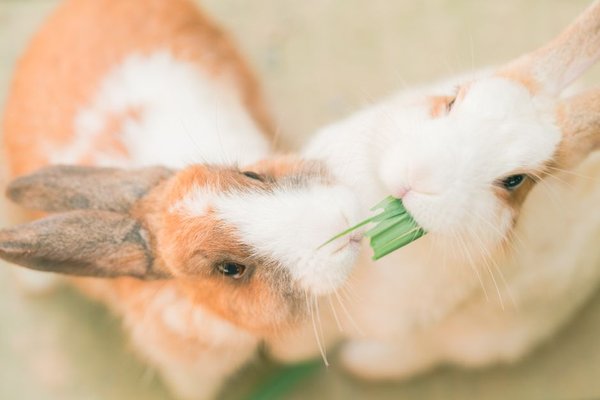
Vegetables can be a healthy part of a rabbit’s daily menu, but they should never crowd out the food rabbits are built to eat most: grass and good-quality hay. A sensible rabbit diet uses fresh vegetables for variety, moisture and micronutrients while keeping fibre-rich hay available at all times. The safest approach is to rotate several suitable greens and introduce new foods slowly.
What vegetables can rabbits eat every day?
For most healthy adult rabbits, the best everyday choices are leafy greens and herbs rather than sweet root vegetables. Good options include romaine lettuce, rocket, lamb’s lettuce, watercress, carrot tops, radish tops, beetroot leaves, chicory and fresh herbs such as coriander, basil, dill, mint and thyme. These foods are generally lower in sugar than carrots or fruit and fit naturally into a varied fresh-food allowance.
Celery, fennel, cucumber, courgette, celeriac and squash can also be offered as part of the rotation. Non-leafy vegetables are useful for variety, but the bulk of the fresh portion should still come from leafy plants. Rabbit safe vegetables are most helpful when they complement, rather than replace, unlimited hay or grass.
How much fresh veg should a rabbit have?
Fresh vegetables are only one part of the overall diet. Rabbit welfare guidance commonly places fresh vegetables, greens and herbs at roughly 5–10% of daily intake, with hay or grass making up the overwhelming majority. Portion needs vary with size, age, weight and health, so a rabbit-savvy vet is the best source of individual advice.
A practical approach is to serve a mixed plate instead of a large amount of one item. For example, a healthy adult rabbit might receive a small mixture of romaine, coriander, watercress and celery, while another day’s mix could use rocket, carrot tops, chicory and fennel. Rotation helps avoid over-reliance on one nutrient and makes feeding more interesting.
If your rabbit is new to fresh food, start with one vegetable at a time and a small portion. Watch appetite, behaviour and droppings before increasing the amount or adding another food. Sudden diet changes can upset a rabbit’s sensitive digestive system.
Vegetables that are safe but better in moderation
Some vegetables are safe for healthy rabbits but are better rotated rather than fed in large amounts every day. Broccoli, cauliflower, cabbage, Brussels sprouts, spring greens and kale are examples. Brassica vegetables can cause digestive discomfort or extra gas in some rabbits, especially when introduced too quickly.
Spinach is another “sometimes” green because it is relatively high in oxalates. Parsley is safe but naturally higher in calcium than many herbs, so variety is preferable to using it as a daily staple. Rabbits with a history of bladder sludge, urinary stones or another calcium-related problem may need a diet tailored by their veterinarian.
Bell peppers can be offered in small amounts, and ripe tomato flesh can occasionally be included. With tomato, feed only ripe flesh and keep leaves and stems away from rabbits.
What about carrots?
Carrots are safe, but their reputation as an everyday rabbit food comes more from cartoons than good nutrition. The orange root is relatively high in sugar, so it is better treated as a small occasional extra. Carrot tops are a much better choice for regular rotation.
The same principle applies to parsnip and fruit: a small piece may be fine as a treat, but sweet foods should not displace hay and rabbit leafy greens. For the wider diet, our rabbit hay and grass guide is a useful next step.
Vegetables and plant parts rabbits should avoid
Avoid potatoes and potato foliage, onions, garlic, shallots, chives, aubergine, chilli peppers, tomato leaves and tomato stems. Rhubarb leaves are poisonous and should also be kept out of reach. Iceberg lettuce is generally discouraged because it offers little nutritional value compared with darker leafy lettuces.
Do not assume a plant is safe simply because one part of it is edible. Tomato flesh is different from its leaves and stems, and courgette fruit and flowers are treated differently from the leaves. If you cannot confidently identify a plant or vegetable part, do not feed it. Our rabbit-safe garden plants guide can help with home-grown or foraged foods.
How to prepare vegetables safely
Wash fresh produce thoroughly and discard anything mouldy, slimy or spoiled. Avoid vegetables exposed to pesticides, weedkillers or roadside contamination. Fresh grass clipped by hand can be suitable when introduced gradually, but lawnmower clippings should never be fed because they heat and ferment quickly.
Serve vegetables raw unless your veterinarian advises otherwise. Remove uneaten fresh food before it spoils, and keep clean drinking water available at all times.
Feeding can double as enrichment. Scatter leafy greens through hay or hide herbs in several safe spots so your rabbit has to forage. This encourages natural behaviour and slows enthusiastic eaters. For more ideas, see our rabbit housing and enrichment guide.
When a food reaction needs attention
A softer stool after a new vegetable may mean the portion was too large or the change happened too fast. Stop the new food and return attention to the rabbit’s usual hay-based diet while monitoring closely. Persistent diarrhoea, marked lethargy, abdominal discomfort or reduced droppings warrants veterinary advice.
A rabbit that stops eating is an emergency. Rabbits depend on continuous fibre intake to keep the digestive system moving, and loss of appetite can quickly become serious. Contact a veterinarian promptly if your rabbit refuses food or stops producing normal droppings.
Frequently asked questions
Can rabbits eat lettuce every day?
Dark lettuces such as romaine can be part of a varied rotation for healthy rabbits. Avoid making one lettuce the entire fresh-food portion, and choose darker leafy options instead of iceberg.
Can rabbits eat broccoli?
Yes. Broccoli is considered safe, but it is best served in moderation because brassicas can cause gas or digestive discomfort in some rabbits. Introduce it gradually and reduce or remove it if your rabbit reacts poorly.
Can rabbits eat spinach?
Yes, but spinach is better offered occasionally rather than as an everyday staple because it contains relatively high levels of oxalates. Rotate it with other leafy greens.
What is the safest first vegetable for a rabbit?
For an adult rabbit already eating a stable hay-based diet, a small amount of a simple leafy green such as romaine, coriander or watercress is a sensible starting point. Introduce only one new food at a time so you can identify any digestive reaction.
A varied plate is safer than a single “best” vegetable
The healthiest answer to what vegetables can rabbits eat is a varied one: mostly dark leafy greens and herbs, smaller amounts of suitable non-leafy vegetables, and only occasional sweet treats such as carrot. Keep hay or grass at the centre of the rabbit diet, introduce changes gradually and pay attention to droppings and appetite. That balance gives rabbits the benefit of fresh produce without turning vegetables into the main course.
