

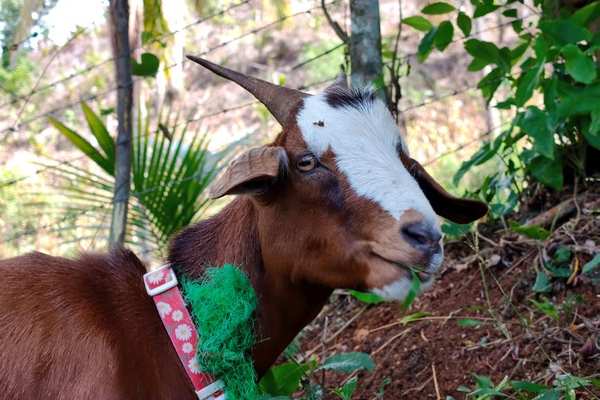
Goats are enthusiastic browsers, but that curiosity is not proof that everything within reach is edible. A goat may investigate hedge trimmings, fallen fruit, or a forgotten feed bucket even when the contents are harmful. Knowing which foods goats should not eat means thinking beyond a simple forbidden-food list: poisonous plants, spoiled rations, and sudden feeding changes can all create serious problems.
Which Foods and Plants Are Most Dangerous for Goats?
The highest-priority hazards include toxic ornamental shrubs, certain wild plants, moldy feed, and unrestricted access to grain. Some substances are poisonous in relatively small amounts; others become dangerous because of the quantity eaten or the speed of a dietary change.
Yew, rhododendron, azalea, and oleander
Yew is an especially dangerous evergreen hedge plant. Its foliage and clippings contain compounds that can disrupt heart function, and poisoning can be rapid. Rhododendrons and azaleas contain grayanotoxins that may cause drooling, vomiting, weakness, and abnormal heart activity. Oleander also contains potent heart-affecting compounds. Keep goats away from these shrubs and never throw their prunings into a pen.
Wilted cherry leaves and other risky browse
Leaves from wild cherry and related Prunus plants are particularly concerning after a branch breaks, freezes, or begins to wilt. Under these conditions, plant compounds can release cyanide. Fallen branches should be removed before animals investigate them. Poison hemlock, water hemlock, certain laurels, larkspur, and milkweed are additional examples of poisonous plants for goats.
Risk also changes with season, plant maturity, and forage availability. A hungry goat in a sparse paddock may sample vegetation it would normally ignore. Ask a local agricultural extension service or veterinarian to help identify unfamiliar weeds rather than relying on a photograph or a generic online list.
Garden Clippings Are Not Free Goat Feed
One frequent mistake is tipping a wheelbarrow of garden waste over the fence. A pile may contain safe grass mixed with yew needles, ornamental leaves, pesticide residues, or wilted branches. Goats cannot reliably sort out every hazard. Lawn clippings can also heat and spoil when piled up, adding a different feeding risk.
Imagine a storm brings down a cherry branch beside the goat enclosure. Even if the animals have browsed near that tree before, the damaged leaves deserve special attention. Fence off the area, collect the branch and scattered foliage, and dispose of them where livestock cannot reach them.
Household Foods That Should Stay Out of the Pen
Chocolate, cocoa products, and caffeinated drinks
Chocolate and cocoa contain theobromine and caffeine, substances associated with poisoning in animals, including livestock exposed to cocoa byproducts. Coffee grounds, energy drinks, and chocolate desserts have no place in a goat ration. Keep compost and food-waste bins inaccessible, especially where cocoa mulch or discarded snacks might be present.
Large amounts of onions, garlic, and mixed leftovers
Onions and related Allium plants can damage red blood cells when enough is consumed. Goats may be more tolerant than some other species, but that is not a reason to feed buckets of onions or concentrated garlic products. Likewise, salty takeaway food, greasy scraps, and sugary bakery leftovers offer little nutritional value and can displace appropriate forage.
Small pieces of suitable fruit or vegetables may be acceptable treats for healthy goats, but introduce them cautiously and keep portions modest. Remove packaging, pits, and other choking hazards. For routine treats, a practical guide to safe treats for goats is more useful than improvising with whatever remains after dinner.
Unsafe Goat Feed Is Not Always Poisonous
Moldy hay, spoiled grain, and contaminated feed
Feed with visible mold, a musty smell, water damage, or obvious spoilage should be discarded. Some molds can produce mycotoxins, while contaminated forage may expose goats to other disease-causing organisms.
Keep hay dry and off wet floors, protect grain bins from rodents, and remove old feed from troughs. If several goats suddenly refuse a new batch, investigate the feed before offering more. Guidance on storing hay for livestock can help prevent waste and illness together.
Too much grain or a sudden feed change
Grain is not automatically toxic food for goats. The problem arises when an animal breaks into a feed store or receives a sharp increase in rapidly fermentable starch. That can trigger ruminal acidosis, a potentially life-threatening digestive disorder. Heavy concentrate feeding can also contribute to enterotoxemia and urinary problems, particularly in susceptible animals.
Forage should form the foundation of the diet, with concentrates chosen according to age, production demands, and veterinary or nutrition advice. Change feed gradually rather than replacing the entire ration overnight. A clear overview of goat feeding basics can help owners distinguish necessary supplements from unnecessary extras.
A Simple Goat Food Safety Check Before Feeding
Before offering anything unfamiliar, ask three questions. Can I identify every plant or ingredient? Is it fresh, clean, and intended for livestock? Has this goat already adapted to eating it? If any answer is uncertain, do not feed it until a qualified local source can confirm suitability.
Walk fences and hedgerows after storms, check newly rented pasture for toxic shrubs, and keep feed-room doors securely latched. Also check purchased hay for unwanted weeds. These habits address the situations in which toxic foods for goats are most likely to become accessible.
What to Do If a Goat Eats Something Dangerous
Remove access to the suspected material and contact a veterinarian immediately. Describe the plant or feed, estimated amount, time eaten, and any signs such as excessive salivation, bloating, diarrhea, unusual behavior, staggering, breathing difficulty, or collapse. Keep a safe sample or photograph for identification.
Do not wait for symptoms after a suspected exposure to yew, oleander, or wilted cherry leaves. Do not attempt to induce vomiting or give home antidotes unless a veterinarian directs you.
Frequently Asked Questions
Can goats tell which plants are poisonous?
Not reliably. Goats often choose varied browse, but curiosity, hunger, and limited forage can lead them to eat hazardous plants. Physical exclusion is safer than trusting instinct.
Can goats eat bread or kitchen leftovers?
A small accidental bite of plain bread is not necessarily an emergency, but large amounts of bread or other starchy leftovers may upset rumen function. Kitchen waste is an unreliable substitute for balanced feed.
Are fallen leaves safe for goats?
That depends on the tree and leaf condition. Wilted cherry leaves and fallen yew foliage are particularly concerning. Identify the species and remove unknown or risky material from accessible areas.
What should goats eat every day?
They generally need clean water, good-quality forage, and a suitable mineral supplement, with extra feed based on their life stage and production needs. Your veterinarian can help tailor the ration.
Conclusion
The most effective way to prevent feeding trouble is to control what goats can reach. Remove poisonous plants and clippings, discard spoiled feed, secure grain, and make dietary changes gradually. Browsing is natural goat behavior; it is not a food-safety test.
