

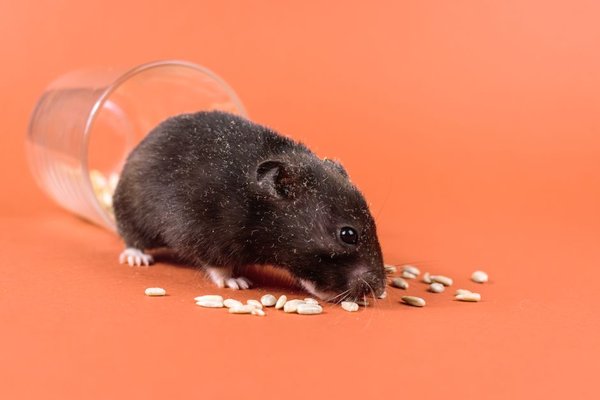
A hamster can empty its food bowl in minutes without eating dinner. Those full cheek pouches often mean the food has been moved into a hidden store. A dependable hamster feeding guide therefore covers more than a daily scoop: the right staple food, sensible portions, fresh additions, and ways to spot trouble.
For most healthy adults, the foundation is complete commercial hamster food, supplemented with tiny amounts of suitable vegetables and occasional treats. Fresh drinking water must always be available. Your hamster’s species, age, activity level, and body condition determine the finer details.
Start With a Balanced Commercial Hamster Diet
Hamsters are omnivores. Wild hamsters eat seeds, grains, vegetation, and insects, but a pet needs a dependable source of nutrients rather than a homemade mix of favourite foods. Choose pellets, blocks, or a properly formulated hamster mix. Food intended for rabbits, guinea pigs, or birds is not a substitute.
Uniform pellets prevent selective feeding because each piece has a similar nutritional composition. With colourful seed mixes, some hamsters pick out fatty seeds and leave less appealing ingredients. A suitable mix can still work, but observe whether your pet eats its different components instead of collecting only the treats.
Read the packaging for the recommended feeding quantity and storage instructions. Introduce any change of dry food gradually, mixing it with the old ration to reduce the chance of digestive upset.
Hamster Portions: How Much Food Each Day?
An adult Syrian hamster may need roughly one tablespoon of dry food per day. Dwarf hamsters are much smaller and often start with approximately one to two teaspoons. These are approximate starting points, not rules for every hamster or food brand. Density and nutritional content differ between products, so follow the label and discuss unusual needs with an exotic-pet veterinarian.
Do not automatically refill the bowl whenever it looks empty. Hamsters carry food into burrows and nests, sometimes accumulating substantial stores. Inspect what is left over time, monitor your hamster’s weight, and look for evidence that it is eating a variety of the supplied diet.
An Evening Feeding Example
Suppose your Syrian hamster wakes at around 8 p.m. Measure the day’s dry ration, scatter half across clean bedding, and offer the rest in a small dish. Add a thumbnail-sized piece of washed broccoli in an easy-to-check spot. Remove leftover broccoli before it spoils, and look for any old fresh food during your next routine check.
Scatter feeding and hiding dry pellets in an uncoated cardboard tube give your hamster a chance to forage. Avoid adhesives, staples, and plastic fragments in homemade food puzzles.
Fresh Foods: What Can Hamsters Eat?
A useful hamster food list begins with well-washed broccoli, courgette, cucumber, bell pepper, and suitable leafy greens. Serve these plain, without dressing, salt, butter, or spices. Offer a single new ingredient at first so you can identify anything that causes loose droppings or loss of appetite.
Fresh food portions should be tiny. A piece about the size of the hamster’s ear is a cautious place to begin, particularly for dwarfs. Some hamsters tolerate a small daily serving, but vegetables should supplement rather than replace the balanced dry ration. Too much watery produce can upset digestion.
Syrian hamsters can occasionally enjoy a small piece of apple without seeds, pear, or melon. Fruit is sugary, so be especially restrained with dwarf hamsters, including varieties more prone to diabetes. Remove fruit pits and seeds. A safe vegetables for hamsters guide is helpful when considering unfamiliar produce.
Treats and Protein: Make Every Bite Count
Hamsters may enjoy an occasional plain mealworm or a tiny crumb of hard-boiled egg. These are extras, not substitutes for complete feed, and some commercial diets already contain adequate protein. Keep cooked foods unseasoned and never offer raw meat or egg.
Seeds and nuts are calorie-dense. One small unsalted seed may be useful as a handling reward, but offering handfuls can crowd out balanced food. Skip honey-coated sticks, sugary drops, biscuits, and high-fat human snacks. Treats should represent only a small fraction of the overall diet.
When training, count the reward as part of the day’s food allowance. A small-pet treat safety guide can help you evaluate unfamiliar packaged snacks.
Foods to Avoid Feeding Your Hamster
Keep chocolate, caffeinated drinks, alcohol, grapes, raisins, rhubarb, raw potato, raw beans, fruit stones, and spoiled food away from your hamster. Avoid onion, garlic, salty or spicy dishes, and sweets too. Advice on a few individual vegetables varies, making familiar, well-established safe foods the better choice.
If your hamster eats a potentially dangerous item, contact a veterinarian promptly with the ingredient and estimated amount. Do not wait for symptoms or attempt a home treatment.
Water, Hidden Food, and Daily Health Checks
Hoarding is normal behaviour. Leave unspoiled dry stores in place where practical, but take away fresh produce before it goes mouldy. During a deep clean, retain a little safe, familiar dry food rather than removing your hamster’s entire store, which can cause unnecessary stress.
Replace drinking water daily, wash its container, and check the bottle spout for leaks or blockages. A sturdy, shallow bowl is another option if it stays clean. Moist vegetables cannot replace a reliable water supply.
Weigh your hamster regularly using the same small scale. Watch appetite, stool consistency, activity, and the condition of the fur around its rear. Sudden refusal to eat, diarrhoea, weight loss, or a soiled bottom calls for prompt veterinary care. Dental problems may also make chewing painful. A hamster health checklist can help you recognise other warning signs.
Frequently Asked Questions
Should I feed my hamster every day?
Yes. Offer an appropriate daily ration of complete food, preferably when your hamster becomes active in the evening. Keep water available at all times, even when there is dry food stored in the nest.
Can hamsters eat fresh vegetables daily?
Many healthy hamsters can have a tiny portion of suitable vegetables each day. Introduce foods gradually, observe the droppings, and remove anything left uneaten before it spoils.
Are sunflower seeds a complete hamster diet?
No. They are rich in fat and do not provide balanced nutrition by themselves. Use sunflower seeds sparingly as treats alongside a properly formulated hamster food.
Why does my hamster hide its food?
Hamsters instinctively transport food in their cheek pouches and store it for later. A hidden cache is normal; check it for perishable leftovers instead of throwing away every clean dry item.
A Feeding Routine You Can Maintain
A good hamster diet is built on consistency, not a complicated menu. Measure complete food, add carefully chosen fresh morsels, limit treats, change the water, and check for spoilage. Track your hamster’s weight and behaviour, and seek veterinary advice if its appetite or health changes.
