

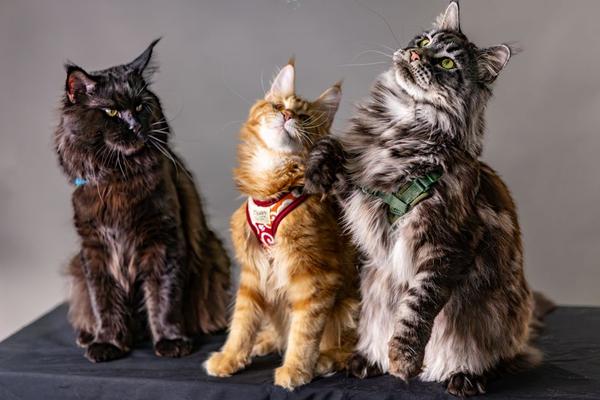
Maine Coons have a way of making an immediate impression. Their tufted ears, substantial paws, flowing coats, and long, bushy tails give them an almost wild appearance, yet many owners describe them as relaxed, affectionate, and remarkably easy to live with. For people researching one of America’s most popular pedigree cats, this Maine Coon cat breed guide explains what daily life with the breed is really like, from adult size and personality to grooming, health, and long-term care.
What Makes the Maine Coon So Distinctive?
Although Maine Coons look rugged, their appeal goes well beyond appearance. They tend to combine the presence of a large cat breed with a sociable, adaptable personality. Many enjoy being near their people without demanding constant attention, making them a strong fit for households that want an interactive cat with a relatively easygoing nature.
Maine Coon Size and Physical Development
Maine Coon size is one of the breed’s best-known features. Adult males often weigh roughly 13 to 18 pounds, while females commonly fall around 8 to 12 pounds, though healthy individuals may be smaller or larger. Weight alone does not tell the full story. Maine Coons have long bodies, broad chests, sturdy bone structure, and substantial tails, so they can appear even bigger than the scale suggests.
They mature slowly and may continue filling out until around three to five years of age. Owners should not try to accelerate growth through overfeeding; balanced nutrition and healthy body condition matter more than a number on the scale.
Coat, Colours, and Features
The semi-long coat is generally shorter over the shoulders and longer around the stomach, hindquarters, and tail. Maine Coons appear in many colours and patterns, while a square muzzle, ear furnishings, and tufted ears help create their distinctive look.
Maine Coon Temperament
Maine Coon temperament is often described as friendly, confident, and people-oriented. These cats commonly follow family members from room to room, supervise household activities, and settle nearby. They may enjoy affection, but many prefer sitting beside a person rather than being carried or held for long periods.
The breed is playful and curious. Maine Coons may retrieve toys, investigate running water, learn routines, and respond well to reward-based training. Many communicate with chirps, trills, and quiet conversational sounds.
Individual personality still matters. Breed tendencies cannot guarantee that every Maine Coon will be calm, cuddly, outgoing, or tolerant of other animals. Early socialisation, respectful handling, the cat’s background, and the home environment all influence behaviour.
Living With Children and Other Pets
A well-socialised Maine Coon can do well in a family home, including one with considerate children or cat-friendly dogs. Their sturdy build does not mean they should tolerate rough handling, so children need to learn how to interact gently and allow the cat to move away when it wants space.
Introductions to other pets should be gradual. Separate rooms, scent swapping, controlled visual contact, and supervised meetings usually work better than placing animals together immediately. Even a sociable cat needs time to feel secure.
Grooming and Everyday Coat Care
Despite their long fur, Maine Coons do not always require professional grooming, but they do need consistent home care. Brushing two or three times a week can remove loose hair and reduce tangles. Cats with softer or denser coats may need more frequent attention, especially around the armpits, belly, chest, and back legs.
Start grooming early and keep sessions short. Use a cat-safe comb or brush, check the skin as you work, and never pull through a tight mat. Severe matting can be painful and may require help from a veterinarian or experienced feline groomer.
Exercise, Enrichment, and Feeding
Maine Coons are often moderately active rather than relentlessly energetic. They benefit from daily interactive play using wand toys, balls, tunnels, food puzzles, and climbing opportunities. Because they are large and powerful, cat trees and wall-mounted shelves should be stable, securely fixed, and appropriately sized.
Feed a complete and balanced cat food suited to the cat’s age and health needs. Portion control matters because excess weight can place additional strain on the joints and may make grooming more difficult. Rather than judging condition by fluffy appearance, owners should learn to feel the ribs and monitor the waistline. A veterinarian can help set an appropriate feeding amount and target body condition.
Health Considerations
Maine Coons can be healthy, robust cats, but the breed is associated with certain inherited conditions. Hypertrophic cardiomyopathy, a disease that thickens the heart muscle, is an important concern. Hip dysplasia and spinal muscular atrophy are also recognised in the breed.
Responsible breeders use health screening and genetic testing, although no test can guarantee lifelong health. Ask for documentation about the parents and avoid breeders who focus mainly on extreme size or appearance.
Regular veterinary examinations remain essential throughout life. Seek prompt advice for breathing difficulty, collapse, sudden weakness, reduced movement, persistent limping, changes in appetite, or unusual weight loss. Cats often hide illness, so subtle changes in routine can be significant.
Maine Coon Lifespan and Long-Term Commitment
The typical Maine Coon lifespan is often estimated at around 12 to 15 years, although some live longer and others have shorter lives because of disease, accidents, or individual genetics. Good nutrition, preventive veterinary care, weight management, dental care, and a safe indoor lifestyle can all support long-term wellbeing.
Frequently Asked Questions
Are Maine Coons good indoor cats?
Yes. Maine Coons can live very successfully indoors when they have enough space, climbing options, scratching areas, play, and social interaction. A secure catio or supervised outdoor access can provide extra stimulation without the risks of unrestricted roaming.
Do Maine Coons shed a lot?
They can shed noticeably, particularly during seasonal coat changes. Regular brushing, good nutrition, and prompt attention to tangles help keep loose fur and matting under control.
Are Maine Coons difficult to care for?
They are not necessarily difficult, but they do require more coat care, space, sturdy equipment, and budget planning than some short-haired cats. Their social and enrichment needs should not be overlooked.
How can you tell whether a Maine Coon is fully grown?
Maine Coons develop slowly and may continue gaining muscle and body breadth for several years. A veterinarian can assess growth and body condition more reliably than comparing a young cat with photos of very large adults.
Is a Maine Coon Right for You?
A Maine Coon can be an excellent companion for someone who appreciates a large, intelligent, sociable cat and is prepared for regular grooming, thoughtful enrichment, and lifelong veterinary care. Their impressive size attracts attention, but their steady presence and engaging personality are what usually win owners over. Choose the breed for its full set of needs and traits, not simply for its dramatic appearance, and you will be better prepared to provide a comfortable, healthy home for years to come.
